


Sports performance supplements are specialized dietary products designed to enhance athletic output, recovery, and training results by working alongside a well-structured nutrition and exercise program. You have likely seen them on store shelves or in gym bags: protein powders, creatine, caffeine capsules, electrolyte drinks, and multi-ingredient pre-workouts. These products are not magic. They are tools, and like any tool, their value depends entirely on how and when you use them. Understanding what they actually do, which ones have real science behind them, and where the risks lie will help you make smarter choices for your performance goals.
What are sports performance supplements and how do they work?
Sports performance supplements, also called ergogenic aids in sports nutrition science, are products that provide targeted nutrients or compounds to support specific aspects of athletic performance. The category is broad and includes everything from basic vitamins and minerals to highly engineered multi-ingredient formulas. Each type works through a different mechanism, and knowing those differences helps you match the right product to your actual need.
The major categories break down like this:
- Protein powders and amino acids: Support muscle protein synthesis and recovery after training. Whey, casein, and plant-based options like pea protein are the most common forms.
- Creatine monohydrate: Increases phosphocreatine stores in muscle, allowing faster ATP regeneration during high-intensity efforts like sprinting or heavy lifting.
- Caffeine: A stimulant that reduces perceived effort and improves focus and endurance. Effects are acute, meaning you feel them within 30 to 60 minutes of ingestion.
- Beta-alanine: Raises muscle carnosine levels, which buffers acid buildup during intense exercise. This is a chronic effect that builds over several weeks of consistent use.
- Electrolyte and carbohydrate drinks: Replenish sodium, potassium, and glycogen during prolonged exercise to maintain output and delay fatigue.
- Nitrates (from beetroot or sodium nitrate): Improve oxygen efficiency in muscles, particularly useful for endurance athletes.
One important distinction is the difference between acute and chronic effects. Caffeine works immediately. Creatine and beta-alanine require consistent daily use over weeks before you see meaningful results. Multi-ingredient pre-workout supplements combine caffeine, beta-alanine, creatine, and nitric oxide precursors to produce both immediate and cumulative benefits, which is why they have become so popular. The synergistic effect of these formulations is often greater than any single ingredient alone.
| Supplement | Primary benefit | Effect type | Typical dose |
|---|---|---|---|
| Creatine monohydrate | Power and strength output | Chronic | 3 to 5 grams daily |
| Caffeine | Focus, endurance, reduced effort | Acute | 3 to 6 mg per kg body weight |
| Beta-alanine | Acid buffering in muscle | Chronic | 3.2 to 6.4 grams daily |
| Sodium bicarbonate | High-intensity performance | Acute | 0.2 to 0.3 grams per kg |
| Nitrates (beetroot) | Oxygen efficiency | Acute and chronic | 300 to 600 mg nitrate |
| Electrolyte drinks | Hydration and endurance | Acute | As needed during exercise |
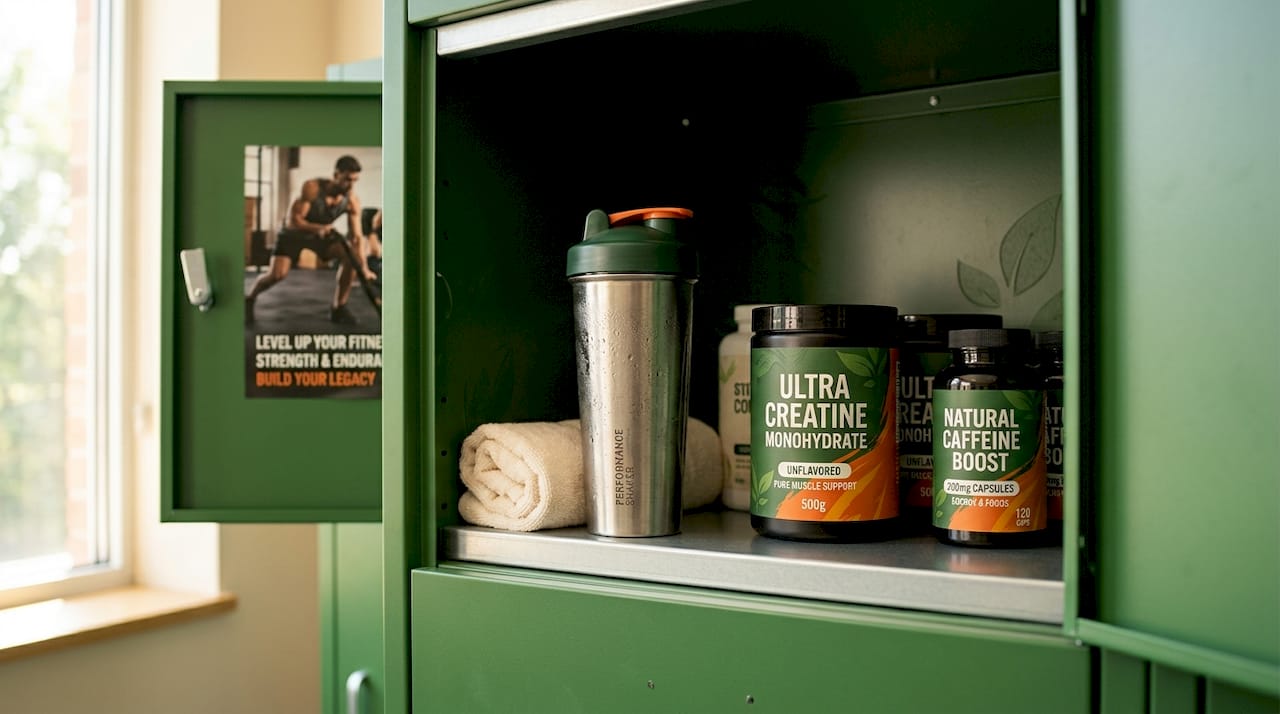
Pro Tip: If you are new to beta-alanine, start at the lower end of the dose range. The tingling sensation it causes, called paresthesia, is harmless but can be distracting during a workout.
What does the evidence say about supplement effectiveness?
The honest answer is that only a handful of sports nutrition products have strong, consistent evidence behind them. Creatine, caffeine, beta-alanine, sodium bicarbonate, and nitrates are categorized as established ergogenic aids with specific, proven performance benefits. This matters because the supplement market is crowded with products that make bold claims without the research to back them up.
Creatine is the most studied supplement in sports science. It reliably improves performance in short, high-intensity efforts and supports lean muscle gain over time. Caffeine has equally strong evidence across endurance, strength, and team sports. Beta-alanine shows consistent benefits for efforts lasting 60 to 240 seconds, making it particularly useful for swimmers, rowers, and cyclists. Sodium bicarbonate improves performance in high-intensity intervals by reducing lactic acid accumulation.
Vitamin and mineral supplementation is more nuanced. Vitamin supplementation should be individualized based on confirmed deficiency, not taken as a blanket strategy. Athletes who are deficient in vitamin D or iron will see real performance improvements from supplementing. Athletes who are already replete may see no benefit and could actually impair their progress. Excess antioxidant intake peri-exercise can blunt training adaptations by interfering with the cellular signaling that drives mitochondrial development and muscle protein synthesis.
The practical takeaway is that supplements offer marginal gains, not transformations. A well-trained athlete with excellent nutrition and recovery will see a modest but real improvement from the right supplement. An undertrained athlete with poor sleep and an inconsistent diet will not close that gap with a pre-workout formula.
Pro Tip: Before spending money on any new supplement, check whether it has been studied in athletes with a similar training profile to yours. Research on sedentary populations does not always translate to trained individuals.
What are the risks of sports performance supplements?
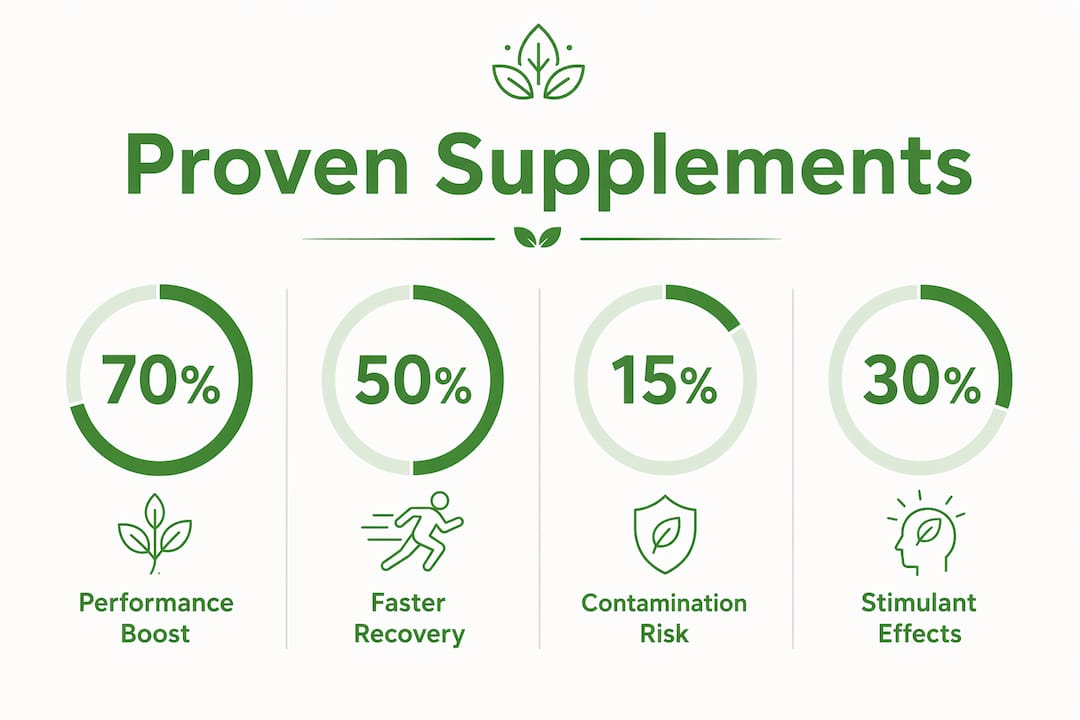
Contamination is the most underappreciated risk in the supplement industry. Approximately 9 to 15% of supplements tested contain prohibited substances that are not listed on the label. This is not a fringe problem. It is a documented, widespread issue with real consequences for competitive athletes.
The contaminants found include stimulants, anabolic steroids, peptide hormones, and metabolic modulators. These chemical classes are sophisticated adulterants that are difficult to detect without third-party laboratory testing. An athlete who tests positive for a prohibited substance faces sanctions regardless of whether the ingestion was intentional. The World Anti-Doping Agency (WADA) applies strict liability, meaning ignorance is not a defense.
Here is what you can do to reduce your risk:
- Choose third-party tested products. Look for certifications from NSF Certified for Sport, Informed Sport, or Banned Substances Control Group (BSCG). These programs test finished products for WADA-prohibited substances.
- Avoid products with proprietary blends. If a label lists a “proprietary blend” without individual ingredient amounts, you cannot verify what you are actually taking.
- Be skeptical of extreme claims. Products promising dramatic results in short timeframes are more likely to contain undeclared active compounds.
- Buy from reputable sources. Understanding how to avoid counterfeit supplements is a practical skill every athlete needs, especially when purchasing online.
“The presence of prohibited substances in supplements is not always the result of intentional fraud. Cross-contamination during manufacturing and undisclosed ingredient substitutions are common causes. Third-party certification is the most reliable protection available to athletes.”
General health risks also apply. High-dose stimulant formulas can raise heart rate and blood pressure. Combining multiple caffeine-containing products can lead to overconsumption. Always read labels carefully and avoid stacking products that share ingredients.
How to safely incorporate supplements into your training
The foundation comes first. Proper hydration, progressive training, nutrition, and recovery are the non-negotiable base that supplements are designed to build on, not replace. If your sleep is inconsistent, your caloric intake is inadequate, or your training program lacks structure, no supplement will compensate for those gaps.
Once your foundation is solid, use this step-by-step approach to add supplements responsibly:
- Identify a specific performance gap. Are you struggling with endurance, recovery time, strength output, or focus? Match the supplement to the gap, not the other way around.
- Research the evidence. Look for studies in peer-reviewed journals or from institutions like Michigan State University’s sports coaching program. Manufacturer-funded studies carry less weight.
- Start with one supplement at a time. Adding multiple products simultaneously makes it impossible to know what is working or causing side effects.
- Trial it in training, not competition. Test any new supplement during practice sessions before relying on it in a race or game.
- Assess timing carefully. Caffeine works best taken 30 to 60 minutes before exercise. Creatine can be taken at any consistent time daily. Acute supplement effects depend heavily on workout structure, dosing timing, and the specific demands of your sport.
- Consult a registered dietitian or sports medicine physician. Personalized guidance accounts for your health history, training load, and any medications you take.
The food-first principle from Michigan State University’s 2026 athlete supplement guide is worth repeating: nutrition, hydration, training, and recovery come before any supplement consideration. This is not a conservative disclaimer. It is the most evidence-based advice in sports nutrition.
Pro Tip: Keep a training log that includes supplement use, dosing, and perceived performance. After four to six weeks, you will have real personal data to evaluate whether a supplement is delivering results for you specifically.
Key takeaways
Sports performance supplements deliver real but marginal benefits when layered on top of strong nutrition, consistent training, and adequate recovery.
| Point | Details |
|---|---|
| Definition and role | Sports performance supplements complement nutrition and training; they do not replace foundational health habits. |
| Strongest evidence | Creatine, caffeine, beta-alanine, sodium bicarbonate, and nitrates have the most consistent research support. |
| Vitamin nuance | Vitamin supplementation benefits only athletes with confirmed deficiencies; excess antioxidants can impair adaptation. |
| Contamination risk | 9 to 15% of tested supplements contain undeclared prohibited substances; third-party certification reduces this risk. |
| Safe integration | Start with one supplement, trial it in training, time it correctly, and prioritize food and recovery first. |
Why the supplement industry deserves more skepticism than it gets
I have spent years reading the research on sports nutrition, and the gap between what the science supports and what the marketing claims is genuinely wide. Most athletes I speak with have tried three or four supplements before they find one that actually makes a noticeable difference. That is not a failure of the athlete. That is the predictable result of an industry where marketing budgets far outpace research investment.
The supplements with the strongest evidence, creatine and caffeine, are also among the cheapest and least glamorous. They do not come in sleek packaging with athlete endorsements. Yet they consistently outperform the premium-priced, proprietary-blend products that dominate gym culture. That tells you something important about where to focus your spending.
I also think the contamination issue is underreported in mainstream fitness content. Athletes at every level, not just elite competitors, face real consequences from inadvertent doping. A recreational powerlifter competing in a tested federation faces the same strict liability rules as an Olympic sprinter. Choosing a third-party certified product is not optional if you compete in any tested sport. It is the minimum standard of due diligence.
My honest recommendation is to build your supplement stack slowly, verify every product through a certification program like NSF Certified for Sport or Informed Sport, and treat any supplement that promises dramatic results with immediate skepticism. The quality of your supplements matters as much as the ingredients listed on the label. Long-term athletic development comes from years of consistent training and smart nutrition. Supplements are a small but legitimate part of that picture when chosen carefully.
— SuperNatural
Support your performance with quality supplements from Shopnaturescraft
Shopnaturescraft has been crafting clean, high-quality supplements since 2013, with a mission focused on purity and real health benefits. Whether you are looking to support recovery, bone health, or cardiovascular function during training, Nature’s Craft offers products made with carefully selected ingredients and no unnecessary fillers.

For athletes focused on recovery and managing exercise-related inflammation, Nature’s Craft turmeric gummies offer a convenient, food-based approach to daily support. If you want to explore the full range of vitamins and supplements designed to complement your fitness goals, browse the complete collection at Shopnaturescraft. Every product is built around the same principle that guides smart supplementation: quality ingredients, honest labeling, and your long-term well-being.
FAQ
What are sports performance supplements?
Sports performance supplements are dietary products used alongside nutrition, hydration, and training to support energy, recovery, muscle function, and endurance. Common examples include creatine, caffeine, protein powders, electrolyte drinks, and beta-alanine.
Which supplements have the strongest evidence for athletes?
Creatine, caffeine, beta-alanine, sodium bicarbonate, and dietary nitrates have the most consistent scientific support as performance-enhancing nutrients. These are categorized as established ergogenic aids in sports nutrition research.
Are sports supplements safe to use?
Most well-researched supplements are safe when used at recommended doses, but contamination with undeclared prohibited substances affects 9 to 15% of tested products. Choosing third-party certified products from programs like NSF Certified for Sport significantly reduces this risk.
Do vitamins improve athletic performance?
Vitamin supplementation improves performance only when an athlete has a confirmed deficiency, such as low vitamin D or iron. Taking high-dose antioxidant vitamins without a deficiency can actually blunt training adaptations by interfering with cellular recovery signals.
When should athletes take performance supplements?
Timing depends on the supplement type. Caffeine works best 30 to 60 minutes before exercise, while creatine can be taken at any consistent time daily. Acute supplements like sodium bicarbonate require precise timing relative to competition, while chronic supplements like beta-alanine require weeks of daily use to build effective tissue levels.

