


Dietary supplements are products taken orally to add vitamins, minerals, herbs, amino acids, or other nutrients to your diet when food alone does not provide enough. The term covers a wide category of products, from a daily multivitamin to a fish oil capsule to a probiotic gummy. Regulated as foods rather than drugs under the Dietary Supplement Health and Education Act (DSHEA), supplements cannot legally claim to treat or cure any disease. Understanding what they are, how they work, and where the risks lie puts you in control of your own health decisions.
What are dietary supplements and how are they defined?
Dietary supplements are orally consumed products designed to add nutrients or other beneficial substances to your regular diet. The category includes vitamins, minerals, herbs and botanicals, amino acids, fatty acids, fiber, and probiotics. What sets supplements apart from drugs is their regulatory classification. The FDA treats them as a subcategory of food, which means manufacturers do not need to prove safety or effectiveness before putting a product on store shelves.
This distinction matters more than most people realize. A drug must demonstrate pharmacological effects and pass FDA approval before reaching consumers. A supplement does not. If a supplement label claims to “treat inflammation” or “cure joint pain,” that is a regulatory red flag. Supplements that claim to treat disease are legally functioning as drugs, and the manufacturer is operating outside the law. Knowing this boundary helps you read labels with a sharper eye.
What types of dietary supplements exist?
The supplement market covers a broad range of ingredients and delivery formats. Here is a breakdown of the main categories you will encounter:
By ingredient type:
- Vitamins: Water-soluble options like vitamin C and the B-complex group, plus fat-soluble vitamins A, D, E, and K. Vitamin D is among the most popular supplements in the U.S., largely because sun exposure alone rarely meets daily needs for most adults.
- Minerals: Calcium, magnesium, zinc, iron, and selenium. Calcium supports bone density, while magnesium plays a role in muscle function and has evidence for relieving constipation.
- Herbs and botanicals: Plant-derived ingredients like turmeric, echinacea, valerian root, and ginkgo biloba. These are among the oldest forms of supplementation, with use dating back thousands of years.
- Amino acids: The building blocks of protein. Creatine, for example, has solid research backing its role in muscle energy during high-intensity exercise.
- Fatty acids: Omega-3 fatty acids from fish oil are the most studied in this group, with evidence supporting cardiovascular health benefits.
- Fiber: Psyllium husk and inulin are common fiber supplements used to support digestive regularity.
- Probiotics: Live beneficial bacteria, such as Lactobacillus and Bifidobacterium strains, that support gut microbiome balance.
By delivery format:
Supplements come in tablets, capsules, powders, liquids, gummies, and effervescent tablets, and may contain plant, animal, or synthetic ingredients. Garlic is a plant-based example, fish oil is animal-derived, and many vitamins are synthesized in a lab. The format you choose affects absorption rate, convenience, and palatability, but it does not automatically determine quality.

How do dietary supplements work and when are they beneficial?
Supplements work by delivering concentrated amounts of specific nutrients directly into your digestive system. Once absorbed, those nutrients participate in the same biological processes they would if you had consumed them through food. The key difference is concentration and bioavailability, which is how efficiently your body actually absorbs and uses what you take.
The strongest evidence for supplementation exists in specific, well-defined situations:
- Pregnancy: Folic acid reduces the risk of neural tube defects. This is one of the most consistent findings in nutrition science, and most OB-GYNs recommend it before and during pregnancy.
- Bone health: Vitamin D and calcium work together to maintain bone density, particularly in older adults and people with limited sun exposure. Deficiency in vitamin D is common in northern climates and among people who spend most of their time indoors.
- Heart health: Omega-3 fatty acids from fish oil have demonstrated benefits for triglyceride levels and overall cardiovascular support in multiple large-scale studies.
- Muscle performance: Creatine is one of the most researched sports supplements, with consistent evidence that it supports short-burst, high-intensity exercise performance.
- Digestive support: Magnesium and fiber supplements like psyllium husk have practical, evidence-backed roles in supporting gut regularity.
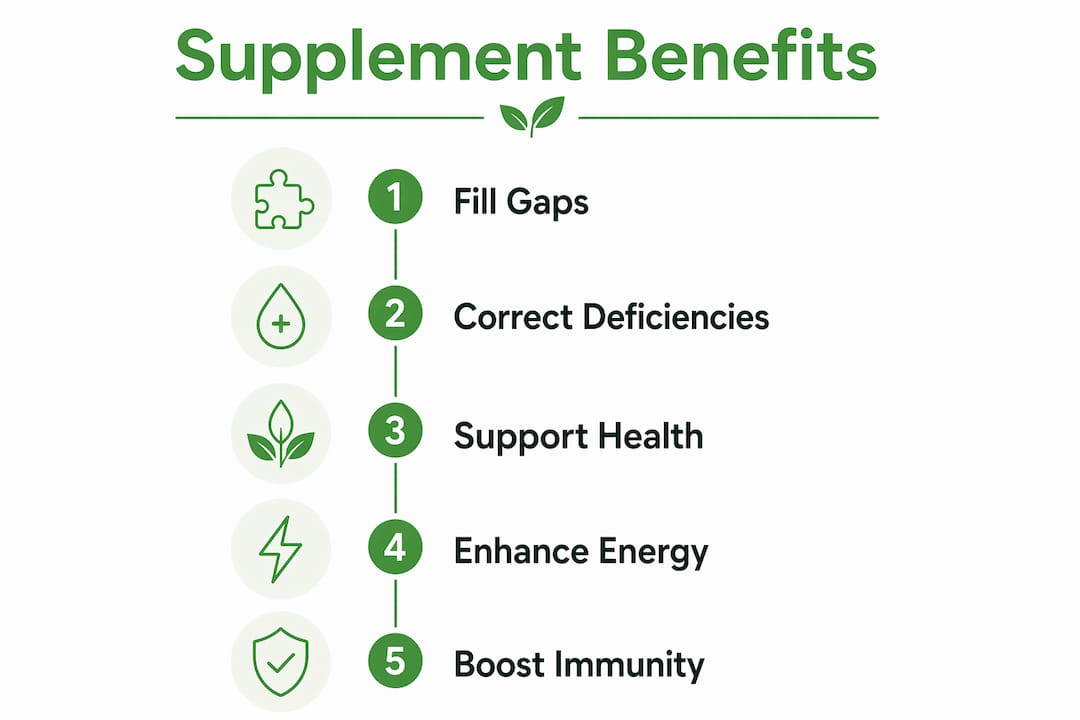
Supplements can fill nutritional gaps and correct deficiencies but do not replace a healthy diet. Food provides thousands of compounds, including phytonutrients and fiber, that no supplement fully replicates. Think of supplementation as targeted support, not a wholesale substitute for eating well.
Pro Tip: Before starting any supplement, get a blood panel done with your doctor. Knowing your actual nutrient levels, especially for vitamin D, iron, and B12, prevents you from supplementing nutrients you already have in sufficient supply.
Are dietary supplements safe? What you need to know about regulation
Safety is where many consumers have a blind spot. Because supplements are regulated as foods under DSHEA, manufacturers are responsible for safety and label accuracy without FDA pre-approval. The FDA can act against a product only after it has already reached consumers and caused documented harm.
Here is a direct comparison of how supplements and drugs differ in regulatory terms:
| Factor | Dietary supplements | Prescription drugs |
|---|---|---|
| FDA pre-approval required | No | Yes |
| Must prove safety before sale | No | Yes |
| Must prove effectiveness | No | Yes |
| Can claim to treat disease | No | Yes (with approval) |
| Subject to post-market surveillance | Yes | Yes |
The practical risks of this regulatory gap include:
- Contamination: Some products, particularly those marketed for weight loss or athletic performance, have been found to contain undisclosed pharmaceutical ingredients.
- Drug interactions: St. John’s Wort, for example, reduces the effectiveness of birth control pills and certain antidepressants. Vitamin K interferes with blood thinners like warfarin.
- Excessive dosing: Fat-soluble vitamins like A and D accumulate in body tissue and can reach toxic levels with prolonged high-dose use.
- Mislabeling: Without mandatory third-party testing, the dose on the label may not match what is actually in the capsule.
Consumers should verify supplement quality through third-party certifications such as USP, NSF International, or ConsumerLab. These organizations independently test products for purity, potency, and label accuracy. Choosing a certified product does not guarantee effectiveness, but it does reduce the risk of contamination or mislabeling significantly.
Pro Tip: When buying supplements online, check for a USP Verified or NSF Certified mark on the product page. If neither is present, look up the product on ConsumerLab.com before purchasing.
Common myths about dietary supplements
Misinformation about supplements is widespread, and some of it is genuinely dangerous. Experts identify several persistent myths that lead consumers to misuse products or develop unrealistic expectations.
- Myth: Supplements can cure or treat diseases. This is false and illegal to claim on a label. Supplements support nutrition. They do not function as medicine. If a product promises to reverse a diagnosed condition, treat it with the same skepticism you would apply to any unverified medical claim.
- Myth: More is always better. Higher doses do not automatically produce better outcomes. In multi-mineral formulas, calcium and magnesium compete for absorption, meaning taking both in high doses at the same time reduces how much of either you actually absorb. Fat-soluble vitamins accumulate and can cause toxicity.
- Myth: Supplements replace a healthy diet. No supplement replicates the full nutritional complexity of whole foods. Whole fruits, vegetables, legumes, and grains contain fiber, antioxidants, and phytonutrients that work together in ways isolated supplements cannot reproduce.
- Myth: Natural means safe. Many natural compounds are toxic at high doses. Kava, for example, is plant-derived and has been linked to serious liver damage. “Natural” on a label is a marketing term, not a safety guarantee.
- Myth: All supplements on the market are tested and verified. Without mandatory pre-market testing, product quality varies widely. Supplement purity and dosage can vary significantly without external quality assurance, which is exactly why third-party certification matters.
How to choose and use dietary supplements wisely
Choosing the right supplement starts with knowing what you actually need, not what a trending product promises. Follow these steps to make informed, safe decisions:
- Consult a healthcare provider first. A doctor or registered dietitian can identify real deficiencies through blood work and recommend specific supplements at appropriate doses. This step alone eliminates most unnecessary purchases.
- Identify your specific gap. Are you low in vitamin D? Do you eat little to no fish, making omega-3 supplementation relevant? Target your supplementation to a confirmed need rather than a general wellness goal.
- Choose brands with third-party verification. Look for products certified by USP, NSF International, or ConsumerLab. You can also check reputable supplement brands to understand what quality standards to look for before buying.
- Stick to recommended daily allowances. The Recommended Dietary Allowance (RDA) and Tolerable Upper Intake Level (UL) exist for a reason. Staying within established ranges protects you from the risks of excessive dosing.
- Review your current medications. Supplement safety decisions require considering current medications because interactions and adverse effects are common real-world risks. Share your full supplement list with your prescribing physician.
- Reassess periodically. Nutritional needs change with age, pregnancy, illness, and lifestyle shifts. A supplement that was appropriate two years ago may no longer be necessary or may need a dose adjustment.
Key takeaways
Dietary supplements fill specific nutrient gaps most effectively when chosen based on confirmed deficiencies, third-party verified quality, and guidance from a healthcare provider.
| Point | Details |
|---|---|
| Definition and legal status | Supplements are food products under DSHEA, not drugs, and cannot claim to treat or cure diseases. |
| Types available | Categories include vitamins, minerals, herbs, amino acids, fatty acids, fiber, and probiotics in multiple delivery formats. |
| When they work best | Evidence is strongest for folic acid in pregnancy, vitamin D for bone health, and omega-3 for heart support. |
| Safety and regulation | No FDA pre-approval is required; choose products with USP, NSF, or ConsumerLab certification to reduce risk. |
| Smart selection | Confirm deficiencies through blood work, follow recommended allowances, and review interactions with any medications. |
Supplements as tools, not shortcuts
I have spent years reading the research on dietary supplements, and the pattern is consistent. The products that deliver real results are the ones used for specific, confirmed needs. Vitamin D for someone with documented deficiency. Folic acid for someone planning a pregnancy. Omega-3 for someone who genuinely does not eat fatty fish. The evidence for targeted use is solid.
What concerns me is the broader cultural assumption that more supplements equal better health. The biggest misconception is that supplements can fix all health problems. Evidence supports specific uses only. When I see someone taking 12 different products daily without any blood work to guide the decision, that is not wellness. That is expensive guesswork with real potential for harm.
The supplement industry generates billions in revenue, and marketing budgets are large. A claim that sounds scientific on a label is not the same as peer-reviewed evidence. My honest advice: build your health on food, sleep, movement, and stress management first. Then use supplements as targeted tools to address what your diet and lifestyle genuinely cannot cover. That approach, grounded in data and guided by a healthcare provider, is what actually moves the needle.
— SuperNatural
Support your health with Nature’s Craft supplements
If you have identified a genuine nutritional gap and want a supplement you can trust, Shopnaturescraft offers a range of quality-verified options built for real health needs. Founded in 2013, Nature’s Craft formulates every product with clean, high-quality ingredients across formats including capsules, gummies, and drops.
Whether you are looking for turmeric gummies to support joint comfort, calcium gummies for bone health, or fiber gummies to support digestive regularity, Shopnaturescraft has a targeted option for your specific need. Every product is designed to complement a healthy lifestyle, not replace it. Explore the full range at Nature’s Craft and find the supplement that fits where you actually are in your wellness journey.
FAQ
What are dietary supplements exactly?
Dietary supplements are orally consumed products that add vitamins, minerals, herbs, amino acids, or other nutrients to your diet. They are legally classified as foods, not drugs, under U.S. federal law.
How do dietary supplements work in the body?
Supplements deliver concentrated nutrients that your digestive system absorbs and uses in the same biological processes as food-sourced nutrients. Effectiveness depends on the specific ingredient, your existing nutrient levels, and the dose you take.
Are dietary supplements safe to take daily?
Safety depends on the supplement, the dose, and your individual health profile. FDA regulates supplements as foods, not treatments, so pre-market safety testing is not required. Choosing third-party certified products and consulting a healthcare provider significantly reduces your risk.
What are the most commonly used dietary supplements?
57.6% of U.S. adults used at least one dietary supplement in the prior 30 days as of 2026. Multivitamin-mineral combinations, vitamin D, and omega-3 fatty acids are the most popular choices.
Can dietary supplements replace a healthy diet?
No. Supplements address specific nutrient gaps but cannot replicate the full nutritional complexity of whole foods. Whole foods provide fiber, antioxidants, and phytonutrients that work together in ways no supplement fully reproduces.

