


Testosterone levels in men start declining around age 30, and by the time most men notice the effects — lower energy, reduced drive, slower recovery — they are already deep into the search for answers. Men’s testosterone support supplements are everywhere, but most products on the market make big promises without the evidence to back them up. This guide cuts through the noise. You will find out which supplements have real research behind them, what conditions make them effective, and how to choose options that actually match your body’s specific needs.
Table of Contents
- Key takeaways
- What to know about men’s testosterone support supplements before you buy
- 1. Tongkat ali: the direct testosterone stimulator
- 2. Ashwagandha: the stress-cortisol connection
- 3. Zinc: the deficiency fix
- 4. Vitamin D: the hormone precursor most men ignore
- 5. Magnesium: free testosterone and better sleep in one
- 6. Boron: the emerging SHBG reducer
- 7. Tribulus terrestris: popular but modest
- Comparing your top options
- Best practices for using testosterone support supplements effectively
- My honest take on men’s testosterone support supplements
- Support your testosterone goals with Shopnaturescraft
- FAQ
Key takeaways
| Point | Details |
|---|---|
| Testing before supplementing | Get baseline bloodwork first so you know which deficiencies or imbalances to actually address. |
| Not all supplements work for everyone | Zinc and vitamin D only raise testosterone meaningfully if you are already deficient in them. |
| Free vs. total testosterone matters | Supplements like magnesium and boron improve biologically active free testosterone, not just total levels. |
| Lifestyle outperforms supplements alone | Sleep, exercise, and stress deliver 30-50% improvements versus 15-25% from supplements. |
| Dosage and quality are non-negotiable | Avoid proprietary blends and underdosed products that will not deliver meaningful results. |
What to know about men’s testosterone support supplements before you buy
Most men shopping for testosterone boosters for men skip straight to the product label. That is a mistake. The supplement that works well for your colleague may do nothing for you, because testosterone support depends heavily on your individual health context.
Start with testing. You want to know your baseline total testosterone, free testosterone, sex hormone-binding globulin (SHBG), vitamin D, and cortisol levels before spending anything. Retesting after 8-12 weeks then tells you whether what you are doing is actually working.
Here is why those numbers matter beyond the basics:
- Total testosterone measures everything in your blood, but not all of it is usable.
- Free testosterone is what your body can actually put to work. Low free T with normal total T is still a problem.
- SHBG is the protein that binds testosterone and makes it unavailable. High SHBG means even decent total T levels may leave you feeling flat.
- Vitamin D and zinc deficiencies are extremely common in men and directly suppress testosterone production.
- Cortisol is the stress hormone that competes with testosterone. Elevated cortisol consistently pushes T down.
Your lifestyle factors shape this whole picture too. Poor sleep, chronic stress, excess body fat, and low activity all suppress testosterone before any supplement even enters the conversation.
Pro Tip: Ask your doctor for a full male hormone panel rather than just total testosterone. Knowing your free T and SHBG changes which supplements make sense for you.
1. Tongkat ali: the direct testosterone stimulator
Tongkat ali, also called Longjack or Eurycoma longifolia, is one of the most research-supported options when it comes to natural testosterone enhancement. It works by stimulating the release of luteinizing hormone, which signals your body to produce more testosterone.
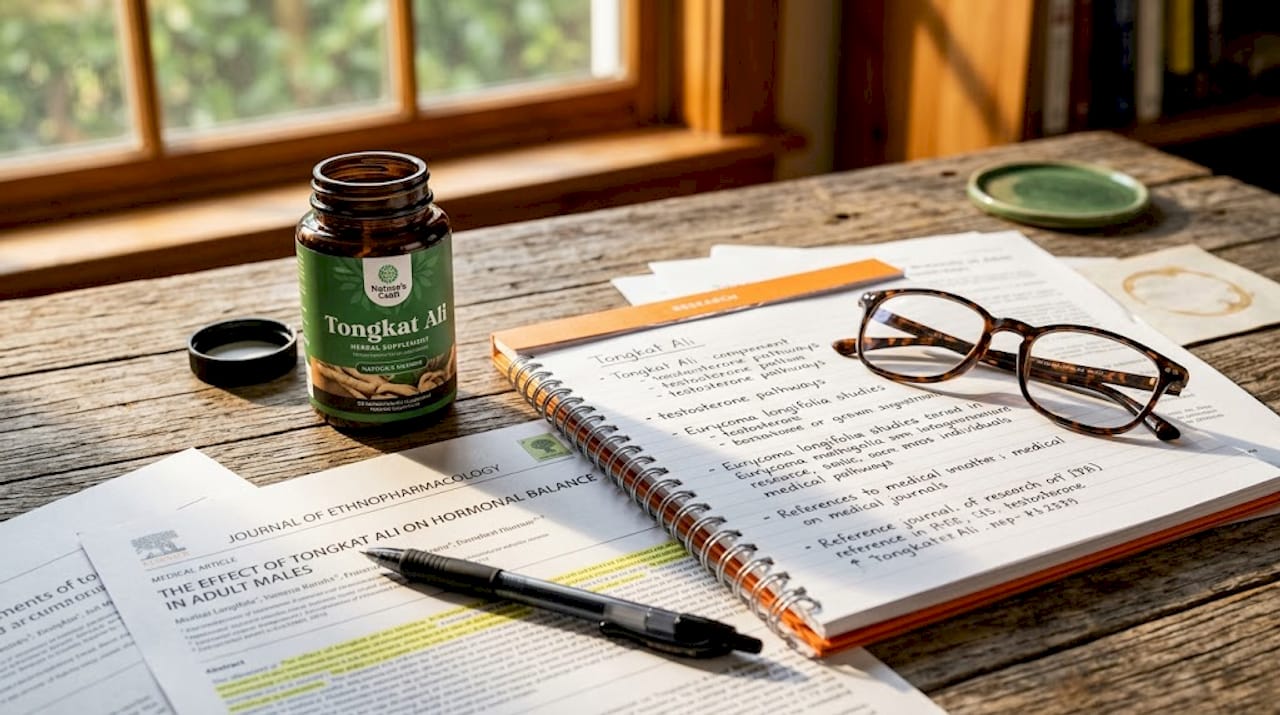
Studies show 15-37% testosterone increases in men with low baseline T levels using 200-400mg daily, standardized to 10% eurycomanone. Men with already normal testosterone see smaller benefits, so this one is best suited to men who have confirmed low levels. Look for standardized extracts on the label, not generic root powder.
2. Ashwagandha: the stress-cortisol connection
Ashwagandha is an adaptogen, meaning it helps your body manage stress. That matters for testosterone because high cortisol actively suppresses T production. By reducing cortisol, ashwagandha creates better hormonal conditions for testosterone to recover.
Research shows ashwagandha reduces cortisol by 15-28% and raises testosterone by 10-17% at 600mg daily using KSM-66 or Sensoril extract forms. Generic ashwagandha powder at random doses will not replicate those results. The high-quality standardized extracts used in studies are what matters here.
This is the supplement to prioritize if stress and poor sleep are your main challenges. It will not dramatically spike testosterone on its own, but it removes one of the biggest hormonal blockers men deal with daily.
3. Zinc: the deficiency fix
Zinc is one of the most common mineral deficiencies in men, and it directly impacts testosterone synthesis at the cellular level. Supplementing with zinc when you are not deficient produces little to no testosterone benefit. But if your levels are low, the change can be significant.
Zinc supplementation raises testosterone 20-30% in deficient men at doses of 30-50mg daily. Athletes and men who sweat heavily are particularly prone to zinc depletion. A simple blood test will confirm whether this is a factor for you. Your men’s multivitamin gummies may already include zinc, so check for overlap before adding a separate supplement.
4. Vitamin D: the hormone precursor most men ignore
Vitamin D functions more like a hormone than a vitamin. Nearly half of American men are estimated to be deficient, and low vitamin D consistently associates with low testosterone.
Supplementing with 4,000-5,000 IU daily can raise testosterone by 20-30% in deficient men. Target serum levels between 40-60 ng/mL. If you live in a northern climate, work indoors, or rarely get sun exposure, there is a good chance this is contributing to your low T without you realizing it.
Get your vitamin D level tested alongside your testosterone panel. It is one of the easiest and most affordable deficiencies to correct.
5. Magnesium: free testosterone and better sleep in one
Magnesium works through two separate pathways to support testosterone. First, it competes with testosterone for binding sites on SHBG. When magnesium is present, more testosterone stays free and biologically available. Second, magnesium supports deeper sleep, which is when most testosterone is produced.
At 400-500mg daily using glycinate or citrate forms, magnesium can increase free testosterone by 20-30%. Magnesium oxide, the cheap form found in many supplements, absorbs poorly and will not deliver these results. This is one of the best options for men who have normal total testosterone but still feel the effects of low T, which often points to a free testosterone or sleep problem.
Pro Tip: Take magnesium glycinate in the evening. You get the SHBG benefit and it supports the deep sleep that drives overnight testosterone production at the same time.
6. Boron: the emerging SHBG reducer
Boron is a trace mineral that appears to lower SHBG levels, similar to magnesium. Lower SHBG means more of your existing testosterone is free and active. Boron may increase free testosterone by up to 28% at 6-10mg daily, though the evidence is still less extensive than for other supplements on this list.
It stacks well with magnesium if your main concern is converting total testosterone into available free testosterone. Consider it a secondary addition rather than a foundation supplement. Dosing matters here: most multivitamins contain just trace amounts, far below the levels used in research.
7. Tribulus terrestris: popular but modest
Tribulus is one of the most widely marketed testosterone boosters for men. You will see it in almost every male hormone support supplement on store shelves. The reality is more nuanced. Most human trials show limited testosterone increases in healthy men, though some athletes report improved performance metrics.
It may work better as part of a broader stack than as a standalone testosterone driver. If you want to explore it, choose a product using a standardized extract with at least 45% saponins. Think of tribulus as a supporting ingredient rather than the headline.
Comparing your top options
This table gives you a direct side-by-side view of the best supplements for testosterone support so you can match options to your situation.
| Supplement | Primary mechanism | Daily dose | Testosterone impact | Best for |
|---|---|---|---|---|
| Tongkat ali | LH stimulation | 200-400mg | 15-37% (low T men) | Confirmed low baseline T |
| Ashwagandha | Cortisol reduction | 600mg | 10-17% | Stress, poor sleep |
| Zinc | Enzyme support | 30-50mg | 20-30% (deficient) | Zinc-deficient men |
| Vitamin D | Hormone precursor | 4,000-5,000 IU | 20-30% (deficient) | D-deficient men |
| Magnesium | SHBG reduction, sleep | 400-500mg | 20-30% free T | Low free T, poor sleep |
| Boron | SHBG reduction | 6-10mg | Up to 28% free T | High SHBG issues |
| Tribulus | Unclear mechanism | Varies | Modest in most men | Broad support stacks |
A few points worth keeping in mind when reading this table:
- The supplement market is full of underdosed products that will not reproduce these research numbers.
- Deficiency-dependent supplements (zinc, vitamin D) only hit these figures when a genuine deficiency exists.
- Stacking magnesium with boron makes sense if your primary issue is high SHBG and low free testosterone.
- Ashwagandha and tongkat ali pair well together when both stress and low baseline testosterone are present.
Best practices for using testosterone support supplements effectively
Taking the right supplements is only part of the equation. Lifestyle factors have 2-3 times the impact on testosterone compared to supplements alone. Supplements add roughly 15-25%, while consistent lifestyle improvements can deliver 30-50% gains.
Here is what to do alongside any supplementation plan:
- Prioritize sleep. Seven to nine hours is where testosterone production peaks. Chronic short sleep is one of the fastest ways to suppress T regardless of what you take.
- Manage stress actively. Cortisol and testosterone have an inverse relationship. Exercise, recovery, and practices like meditation have measurable effects on cortisol.
- Lift weights regularly. Resistance training is the most direct lifestyle driver of testosterone. Even two to three sessions per week makes a meaningful difference.
- Audit your diet. Healthy fats from sources like olive oil, eggs, and avocados support testosterone synthesis. Processed foods and excessive alcohol push it down.
- Retest after 8-12 weeks. This gives you the data to know what is working and what to adjust.
Pro Tip: When you find supplements for testosterone support, read the supplement facts panel carefully. If you see a “proprietary blend,” you cannot verify whether each ingredient is dosed at levels that research supports. Avoid them.
My honest take on men’s testosterone support supplements
I have spent years looking at the research behind male hormone support supplements, and the honest truth is this: most men are making decisions based on marketing, not evidence.
The supplements that actually work are not necessarily the ones with the biggest marketing budgets or the most testosterone-related imagery on the label. They are the ones dosed correctly for your specific deficiency or hormonal pattern. I have seen men spend months on trendy formulas and get nothing, then correct a simple vitamin D deficiency and notice real change within weeks.
What I have also learned is that supplements work best when they are solving a real, identified problem. Tongkat ali is genuinely impressive in men with low baseline T. But give it to someone with normal testosterone, and you will get a much smaller return. This is why testing is not optional. It is the foundation of any honest approach to natural testosterone enhancement.
The supplement industry is full of products making unsupported claims. That is not speculation. The lack of transparency around ingredient dosing in many popular products is a real problem. Your job as a consumer is to demand specificity. Look for standardized extracts, disclosed doses, and evidence that the formula matches what clinical research actually used.
Patience matters too. Give any supplement stack a full eight to twelve weeks before judging results. Hormonal shifts are not instant. The men who see real progress are the ones who test, choose wisely, stay consistent, and keep improving their sleep and lifestyle in parallel.
— SuperNatural
Support your testosterone goals with Shopnaturescraft
If this article helped you clarify which supplements make sense for your situation, Shopnaturescraft has the products to put that knowledge into practice.

Nature’s Craft’s Magnesium Sleeplex delivers 1,000mg of Magtein L-Threonate per serving, a premium form of magnesium designed for absorption and sleep quality. It directly supports the free testosterone pathway and the overnight recovery window your body depends on. For broader hormonal support, explore the tribulus supplement and the full range of men’s health formulas at Nature’s Craft. Every product is clearly labeled with ingredient doses so you know exactly what you are getting.
FAQ
What is a testosterone support supplement?
A testosterone support supplement is a product containing ingredients like vitamins, minerals, or herbal extracts that help the body maintain or increase testosterone production. They work by addressing deficiencies, reducing cortisol, or improving the ratio of free to total testosterone.
How do I find supplements for testosterone support that actually work?
Look for supplements with disclosed, research-matched doses and standardized extracts. Get bloodwork done first so you can target specific deficiencies, such as low vitamin D or zinc, rather than taking generic blends.
Which testosterone booster works best for men over 40?
Magnesium, vitamin D, and tongkat ali have the strongest research support for men with declining testosterone. Individual results depend on your specific blood levels, so testing before choosing is the most reliable approach.
How long does it take for testosterone supplements to work?
Most supplements require 8-12 weeks of consistent use before testosterone changes become measurable. Hormonal shifts are gradual, and retesting at that point gives you the clearest picture of what is working.
Can natural testosterone enhancement replace medical treatment?
Supplements can meaningfully support hormonal health, but they are not a replacement for medically supervised testosterone therapy when levels are clinically low. Use supplements as a first step and consult a healthcare provider if bloodwork shows significantly low levels.

