


Supplements for weight management are dietary products designed to support fat loss, appetite control, or metabolic function alongside a calorie-controlled diet and regular exercise. The industry term is “dietary supplement,” regulated under the Dietary Supplement Health and Education Act (DSHEA) of 1994. Clinical evidence shows that most weight loss supplements produce modest effects, typically a few hundred grams to 1 kg more weight loss than placebo over 8–12 weeks. That means no supplement replaces the basics. A sustained caloric deficit and consistent physical activity remain the primary drivers of healthy weight loss.
1. Which supplements have the most evidence for weight management?
A small group of ingredients stands out from the noise. These are the ones with human clinical trial data, not just animal studies or theoretical mechanisms.
- Caffeine increases resting calorie burn and temporarily suppresses appetite. It is one of the most studied ingredients in weight management research. The effect is real but modest, and tolerance builds over time.
- Glucomannan is a soluble fiber derived from konjac root. It expands in the stomach, promoting satiety and reducing calorie intake at meals. Research confirms it supports satiety when taken before meals with water.
- Green tea extract contains catechins and caffeine, which together may increase fat oxidation. Evidence supports a small thermogenic effect, though results vary by individual.
- Protein supplements (whey, casein, plant-based) support satiety and preserve lean muscle during calorie restriction. Higher protein intake is one of the most consistent dietary strategies for reducing body fat.
- Chitosan is a fiber derived from shellfish that may bind dietary fat in the gut, reducing absorption. Effect sizes in trials are small.
Each of these works through a different mechanism: metabolism, satiety, or fat absorption. None produces dramatic results on its own.
Pro Tip: Look for supplements that carry third-party certifications from USP, NSF International, or ConsumerLab. These certifications verify that label claims are accurate and the product is free from contaminants.

2. How FDA regulation affects weight management supplements
The FDA does not pre-approve dietary supplements before they reach store shelves. This is the single most important fact every buyer should know. Manufacturers evaluate their own products for safety, and the FDA monitors the market after products are already sold.
Under 21 CFR Part 111, manufacturers must follow current Good Manufacturing Practices (cGMP). These rules govern facility standards, ingredient testing, and record-keeping. FDA enforcement targets illegal disease claims, undeclared drugs, inaccurate labeling, and poor manufacturing. Warning letters and product recalls are the agency’s primary tools.
Here is what the regulatory framework requires from manufacturers:
- Safety evaluation before marketing. Manufacturers are responsible for confirming their product is safe. The FDA does not review this evidence before sale.
- New Dietary Ingredient (NDI) notification. Manufacturers must notify the FDA 75 days before marketing any ingredient not sold in the U.S. before october 15, 1994.
- cGMP compliance. Facilities must meet manufacturing standards covering testing, sanitation, and quality control under 21 CFR Part 111.
- Truthful labeling. Claims must be accurate and not imply the product treats or cures a disease.
- Adverse event reporting. Serious adverse events must be reported to the FDA within 15 business days.
Knowing this framework helps you shop smarter. When a product claims to “cure obesity” or “melt fat overnight,” those are illegal disease claims. A well-run company avoids them. Reading labels with this knowledge puts you in control.
Pro Tip: Before buying, check the FDA’s online supplement guide for tips on spotting compliant products and avoiding misbranded supplements.
3. Common misconceptions and risks you need to know
The biggest myth in weight management is that a supplement can do the work of a diet. Consumer beliefs often drive supplement purchases more than clinical evidence does. Many people treat supplements as an “insurance policy” without critically evaluating whether the product has real human trial data.
Here are the most common misconceptions:
- “Fat burners” burn significant fat on their own. No supplement produces meaningful fat loss without a calorie deficit. The term “fat burner” is marketing language, not a clinical category.
- Natural means safe. Green tea extract and garcinia cambogia are both natural. Both have documented cases of acute liver injury in clinical reports, with some cases requiring liver transplantation.
- More is better. Higher doses of stimulant-based supplements increase side effects, including elevated heart rate, anxiety, and insomnia, without proportionally increasing results.
- Supplements work the same for everyone. Body composition, genetics, gut microbiome, and existing medications all affect how a supplement performs in your body.
The real risk is not just wasted money. Hidden ingredients, undeclared stimulants, and contaminated products have caused serious harm. The FDA’s post-market monitoring catches problems only after they occur. Your best protection is buying from brands that use third-party testing and publish their certificates of analysis.
Consulting a healthcare provider before starting any supplement is the most practical safety step you can take. Supplements interact with anticoagulants, antidepressants, and diabetes medications. A five-minute conversation with your doctor can prevent a serious problem.
4. How to choose weight management supplements and use them effectively
Choosing the right supplement starts with one question: does this ingredient have human randomized controlled trial data showing fat mass reduction? If the answer is unclear, that is your signal to look harder or skip it.
Here is a practical framework for making a smart choice:
- Verify the evidence. Search the ingredient name plus “randomized controlled trial” on PubMed. If no human trials exist, the product relies on theory or animal data.
- Check for third-party certification. USP, NSF, and ConsumerLab seals confirm that what is on the label is in the bottle. Third-party certification is the clearest quality signal available to consumers.
- Talk to your healthcare provider. This step is non-negotiable if you take prescription medications. Drug-nutrient interactions are real and sometimes dangerous.
- Pair supplements with the right habits. Supplement timing matters. Glucomannan works best 30 minutes before meals. Caffeine is most effective when taken before exercise, not throughout the day.
- Set realistic expectations. Clinical trials show modest effects over 8–12 weeks. If a product promises dramatic results in days, the claim is not supported by evidence.
| What to evaluate | What to look for |
|---|---|
| Ingredient evidence | Human randomized controlled trials, not animal studies |
| Product quality | USP, NSF, or ConsumerLab certification |
| Label accuracy | Ingredient amounts listed per serving, not proprietary blends |
| Safety profile | No undisclosed stimulants, allergen warnings present |
| Brand transparency | Certificate of analysis available on request |
Pro Tip: Fiber-based supplements like glucomannan are among the most budget-friendly and well-evidenced options. A quality fiber supplement costs less per serving than most stimulant blends and carries a lower risk profile.
Key Takeaways
The most effective supplements for weight management are those with human trial evidence, third-party certification, and a clear mechanism that complements a calorie deficit and regular exercise.
| Point | Details |
|---|---|
| Evidence matters most | Choose ingredients like caffeine and glucomannan with human clinical trial support. |
| FDA does not pre-approve | Manufacturers self-certify safety; third-party seals fill the quality gap. |
| Risks are real | Green tea extract and garcinia cambogia carry documented liver injury risk. |
| Lifestyle is non-negotiable | No supplement replaces a sustained caloric deficit and physical activity. |
| Consult before you buy | Healthcare providers help you avoid drug-nutrient interactions and unsafe products. |
What I’ve learned after years of watching the supplement market
The supplement industry runs on hope. I have watched people spend hundreds of dollars on products that promise to “melt fat” while their diet stays unchanged. The results are predictable: disappointment, and sometimes a health scare.
Here is what the evidence actually tells us. A handful of ingredients produce small, real effects. Caffeine works, but you build tolerance to it fast. Glucomannan works, but only if you take it correctly and eat less. Protein works, but it is food, not magic. The gap between what the marketing says and what the trials show is enormous.
The uncomfortable truth is that supplements are tools, not solutions. The people I have seen get real results use supplements to support habits they have already built. They are not using a fat burner to compensate for a poor diet. They are using a fiber supplement to stay full during a calorie deficit they are already maintaining.
My advice is simple. Spend 80% of your energy on food quality, portion control, and movement. Use the remaining 20% to find one or two evidence-backed products from a brand that publishes its testing results. Check the what are dietary supplements guide if you are new to this space. Skepticism is not pessimism. It is the most useful tool you have.
— SuperNatural
Quality supplements that support your weight goals
Shopnaturescraft has been crafting clean, quality supplements since 2013. Every product follows FDA cGMP manufacturing standards, and the brand prioritizes ingredient transparency across its full range.
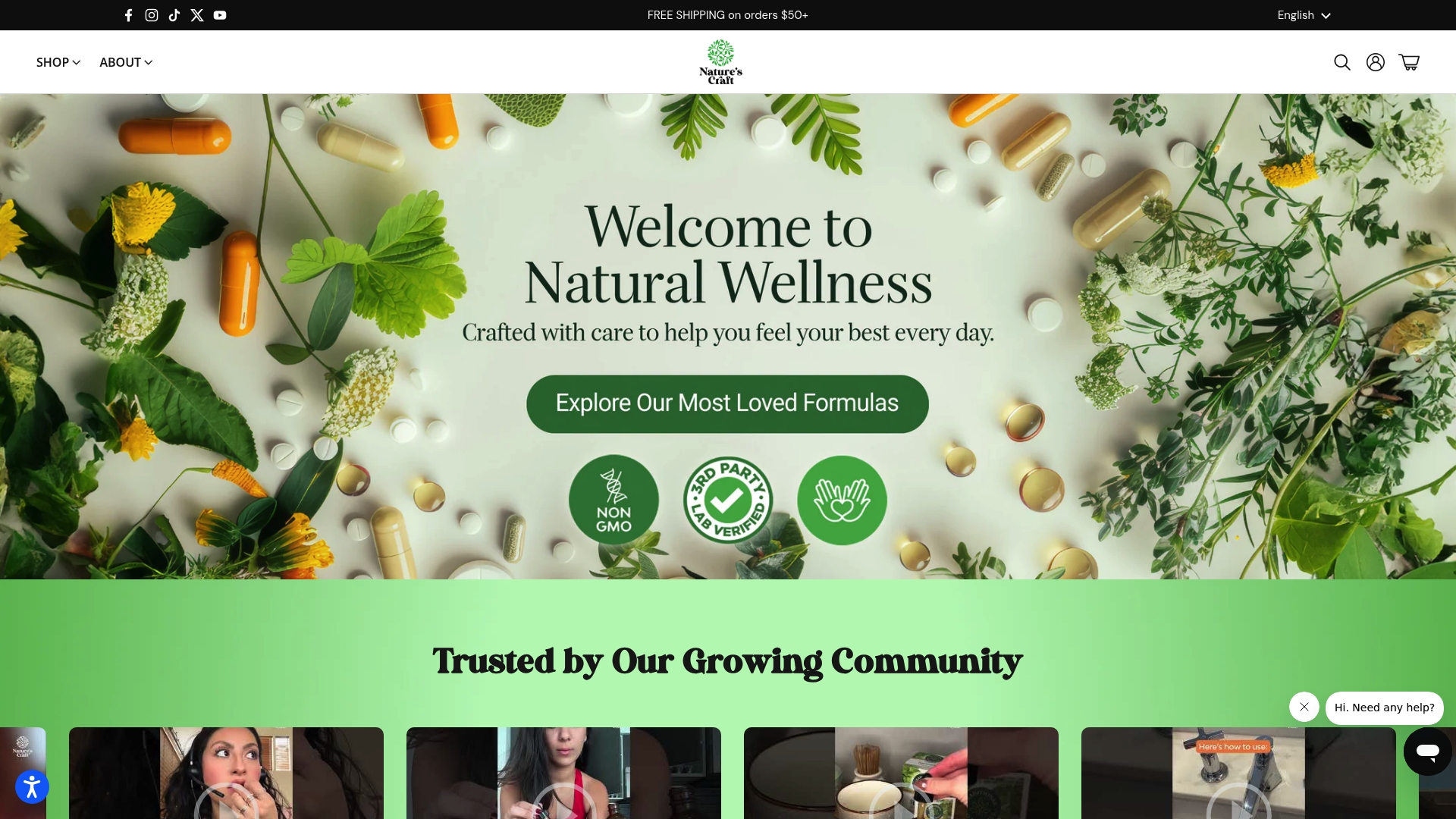
For weight management support, Shopnaturescraft offers fiber gummies that promote satiety and digestive health, along with a full line of capsule-based supplements covering metabolism and wellness support. The entire catalog is available at Shopnaturescraft, where you can filter by health goal and find products that fit your routine. Clean ingredients, honest labels, and a range built for every stage of your wellness plan.
FAQ
What supplements actually work for weight loss?
Caffeine, glucomannan, green tea extract, and protein supplements have the strongest human trial evidence. Effects are modest, typically 0.5–1 kg more weight loss than placebo over 8–12 weeks.
Are weight loss supplements FDA approved?
The FDA does not pre-approve dietary supplements. Manufacturers are responsible for safety evaluation, and the FDA monitors products after they are already on the market.
What are the safest natural appetite suppressants?
Glucomannan is one of the safest and best-evidenced natural appetite suppressants. It is a soluble fiber with a low risk profile when taken with adequate water before meals.
Can supplements replace diet and exercise for weight loss?
No supplement replaces a caloric deficit and physical activity. Supplements provide modest adjunctive support and work only when foundational lifestyle habits are already in place.
How do I know if a weight management supplement is high quality?
Look for third-party certifications from USP, NSF International, or ConsumerLab. These seals confirm that label claims are accurate and the product is free from contaminants and undeclared ingredients.

