


Hormonal fluctuations are something most women between 25 and 45 deal with regularly, yet finding trustworthy guidance on supplements for hormonal balance women can feel like wading through a sea of conflicting claims. Supplements, or what clinicians sometimes call micronutrient and botanical interventions, range from well-studied nutrients with clear safety profiles to unregulated compounds that carry real risks. This article cuts through the noise with evidence-based recommendations, safety limits, and honest guidance on what works, what needs more research, and what you should approach with caution.
Table of Contents
- Key Takeaways
- 1. What to look for in supplements for hormonal balance women
- 2. Magnesium
- 3. Vitamin D
- 4. Calcium
- 5. B vitamins, especially B6 and B12
- 6. Inositol
- 7. Fiber
- 8. Adaptogens, especially ashwagandha
- 9. DHEA: why most women should skip it
- 10. How to compare popular hormone support supplements
- 11. How to choose supplements for your specific hormonal goals
- 12. Lifestyle habits that amplify supplement results
- My honest take on hormone balance supplements
- Support your hormonal health with Nature’s Craft
- FAQ
Key Takeaways
| Point | Details |
|---|---|
| Test before you supplement | Get lab work done to identify actual deficiencies before starting any hormone-related supplement. |
| Safety limits matter | Key nutrients like magnesium and vitamin D have upper limits you should not exceed to avoid side effects. |
| Avoid DHEA without supervision | DHEA carries documented risks including hormone-sensitive cancer; never take it without a specialist’s guidance. |
| Food comes first | Most nutrients are best absorbed from whole foods; supplements fill gaps, not replace a balanced diet. |
| Lifestyle amplifies results | Sleep, stress management, and gut health work alongside supplements, not separately from them. |
1. What to look for in supplements for hormonal balance women
Before you add anything to your routine, understanding how to evaluate a supplement matters as much as knowing which ones to take. The market is full of products that sound science-backed but deliver inconsistent results. Here is what separates a quality supplement from a marketing product.
Get labs first. Targeted testing before supplementing is the clinical standard for a reason. Supplementing without knowing your baseline can mask underlying conditions and waste money on nutrients your body already has in abundance.
Check for third-party testing. Reputable supplements carry certifications from NSF International, USP, or ConsumerLab. These confirm the label accurately reflects what is in the bottle and that it is free of contaminants.
Know the upper limits. Every nutrient you take has a tolerable upper intake level. Going over it does not mean better results. It often means side effects instead.
Avoid unregulated hormone-active compounds. Supplements that directly alter hormone levels, particularly androgens or estrogens, require medical supervision. The “natural” label does not guarantee safety.
Stick to food-first where possible. Whole foods deliver nutrients in combinations your body recognizes. Supplements are gap fillers, not substitutes.
- Look for products with clear dosage information per serving
- Choose brands that disclose full ingredient lists without proprietary blends hiding amounts
- Check for allergen information and avoid unnecessary fillers
Pro Tip: Ask your doctor for a full nutrient panel including vitamin D, magnesium, ferritin, and B12 before purchasing anything. You may find that one or two targeted supplements make a bigger difference than an entire hormone support stack.
2. Magnesium
Magnesium is one of the most well-supported minerals for women’s hormonal health. It plays a role in over 300 enzyme reactions, including those tied to cortisol regulation, sleep quality, and blood sugar control. Many women are deficient without knowing it because standard blood tests measure serum magnesium, which stays normal even when cellular levels are low.
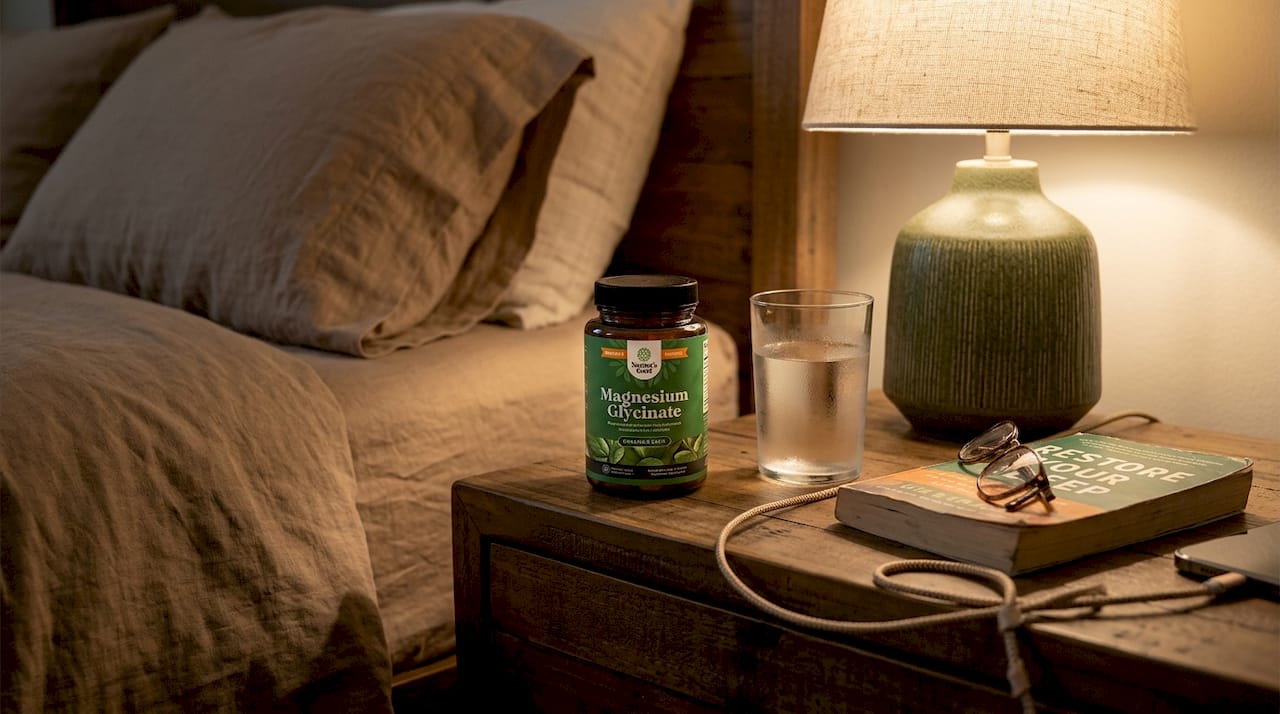
The form matters. Magnesium glycinate is generally better tolerated and better absorbed than magnesium oxide, which is cheaper but poorly absorbed and more likely to cause digestive upset. For women dealing with poor sleep or stress-related hormonal disruption, magnesium glycinate is worth looking at specifically.
Regarding dosage, supplemental magnesium should not exceed 350 mg per day due to diarrhea and gastrointestinal side effects. Food sources like leafy greens, seeds, and nuts carry no upper limit because the body regulates absorption differently from whole foods.
Pro Tip: If you take magnesium for sleep support, look at formulas that use magnesium L-threonate, which crosses the blood-brain barrier more effectively. Nature’s Craft offers a sleep-specific magnesium blend worth checking out.
3. Vitamin D
Vitamin D functions more like a hormone than a vitamin. It influences estrogen synthesis, immune response, mood regulation, and bone density. Women with low vitamin D levels often report more severe PMS symptoms, fatigue, and irregular cycles.
The catch is that routine supplementation shows mixed evidence for hormone-related symptom relief in otherwise healthy women. If you are not deficient, adding high doses does not necessarily produce hormonal benefits and may increase your risk of hypercalcemia.
The safe upper limit is 4,000 IU per day, but most healthy women do well at 600 to 800 IU daily from combined food and supplements. Checking your blood levels first makes all the difference.
4. Calcium
Women need 1,000 to 1,200 mg of calcium per day for bone health, and that need increases around perimenopause when estrogen decline accelerates bone loss. The priority is food: dairy, fortified plant milks, leafy greens, and sardines all deliver calcium in highly absorbable forms.
Supplements fill dietary gaps when food sources fall short. Splitting doses into 500 mg or less at a time improves absorption. High supplemental doses taken all at once, on the other hand, have been linked to soft tissue calcification in some research. Pairing calcium with vitamin D improves uptake significantly.
5. B vitamins, especially B6 and B12
B vitamins support the nervous system, energy metabolism, and neurotransmitter production. For hormonal health specifically, vitamin B6 helps regulate mood and may reduce PMS-related irritability and bloating by supporting progesterone activity. B12 is critical for energy and cognitive function, and women following plant-based diets are at higher risk of deficiency.
You can learn more about how these support women’s energy in day-to-day function. Most women get adequate B vitamins from a varied diet, but a high-quality B-complex is a reasonable addition if you suspect a gap.
6. Inositol
Inositol, particularly myo-inositol, has gained attention in research on polycystic ovary syndrome and insulin sensitivity. It helps cells respond to insulin more effectively, which has downstream effects on testosterone levels and menstrual regularity in women with PCOS.
Studies suggest 2,000 to 4,000 mg of myo-inositol daily may support cycle regularity and reduce androgen-related symptoms. For women without insulin-related hormonal issues, the evidence is less clear, making this one to discuss with your doctor before starting.
7. Fiber
Fiber plays a surprisingly direct role in estrogen metabolism. Excess estrogen is processed by the liver, then passed into the gut for elimination. Without adequate fiber, some of that estrogen gets reabsorbed through a process called estrogen recirculation. This can contribute to estrogen dominance symptoms like bloating, heavy periods, and mood swings.
Women need 25 grams per day from food. Beans, oats, flaxseed, and vegetables are excellent sources. If your diet consistently falls short, a fiber supplement can close the gap and actively support hormone clearance.
8. Adaptogens, especially ashwagandha
Adaptogens are a category of herbal remedies for hormonal balance that work by modulating the body’s stress response. Ashwagandha is the most researched of these, with studies showing reductions in cortisol, improvements in thyroid function in some women, and better sleep quality.
Cortisol and progesterone share a biochemical precursor, so chronic stress can literally redirect raw material away from progesterone production. Lowering cortisol with ashwagandha may help restore that balance over time. Standard doses range from 300 to 600 mg of a root extract daily. This falls under natural hormone balance supplements with a fairly good safety profile for most healthy women.
9. DHEA: why most women should skip it
DHEA is a steroid hormone precursor marketed for energy, libido, and hormonal balance. Mayo Clinic warns that DHEA supplementation raises androgen levels and can worsen acne, excess hair growth, and mood instability. More seriously, it may increase the risk of hormone-sensitive cancers in susceptible individuals.
Supplement quality control for DHEA is also poor. Independent testing has found significant variation between labeled and actual doses. Unless a specialist has prescribed DHEA for a documented deficiency, it is not a safe self-selected option for hormonal balance.
10. How to compare popular hormone support supplements
This table gives you a practical way to evaluate the best supplements for hormonal balance women commonly consider.
| Supplement | Primary benefit | Evidence level | Safe daily limit | Who should avoid |
|---|---|---|---|---|
| Magnesium | Sleep, stress, blood sugar | Strong | 350 mg (supplemental) | Those with kidney disease |
| Vitamin D | Bone health, mood, immunity | Moderate | 4,000 IU | Those already at normal levels |
| Calcium | Bone density support | Strong (food-first) | 1,200 mg total | Those with hypercalcemia risk |
| B6 and B12 | Mood, energy, nerve function | Moderate | Follow label guidance | Those with B12 toxicity history |
| Inositol | Cycle regularity, PCOS support | Moderate | 4,000 mg (myo-inositol) | Consult if not diagnosed with PCOS |
| Fiber | Estrogen clearance, gut health | Emerging | 25 g/day total | Generally safe for most women |
| Ashwagandha | Cortisol reduction, stress | Moderate | 600 mg extract | Pregnant women, thyroid conditions |
| DHEA | Androgen precursor | Weak or unclear | Specialist use only | Most women without specialist guidance |
11. How to choose supplements for your specific hormonal goals
The best supplements for women are not the same for every woman. Your hormonal picture depends on your age, stress load, diet, cycle patterns, and any diagnosed conditions. Here is how to personalize your approach.
- Start with testing. A basic panel covering vitamin D, B12, ferritin, thyroid markers, and fasting glucose gives you an actual map of where deficiencies exist.
- Match supplements to symptoms. Heavy periods with mood shifts often point toward magnesium and B6. Fatigue and brain fog may indicate low B12 or vitamin D. Stress-driven cycle irregularity often responds well to ashwagandha.
- Skip the steroid hormones. Hormone-altering compounds like DHEA should only be used under specialist supervision due to cancer risk and side effects.
- Consider prescription options when needed. If you are in perimenopause and experiencing significant hot flashes or sleep disruption, hormone therapy benefits outweigh risks for many qualified women under 60. Supplements are not a substitute for medical treatment when symptoms are severe.
- Reassess every three to six months. Your needs change. What helps at 30 may be unnecessary at 38.
Pro Tip: Track your symptoms in a simple journal for one full cycle before starting any new supplement. This gives you a baseline to measure real change versus placebo effect.
12. Lifestyle habits that amplify supplement results
No supplement list is complete without addressing the habits that determine whether those supplements actually work.
- Prioritize gut health. Estrogen is processed and eliminated through the gut. Poor gut health disrupts this. Women’s gut health directly affects hormone clearance, so fermented foods and prebiotic fiber matter.
- Move regularly. Even moderate exercise like walking 30 minutes a day improves insulin sensitivity and reduces cortisol. Both have direct hormonal benefits.
- Sleep seven to nine hours. Growth hormone and cortisol regulation depend heavily on sleep quality. Skimping on sleep undermines every supplement you take.
- Reduce environmental exposures. Plastics, pesticides, and synthetic fragrances contain endocrine-disrupting chemicals. Choosing glass containers and fragrance-free personal care products reduces your daily chemical load.
- Manage stress actively. Chronic stress is one of the biggest drivers of hormonal imbalance. Adaptogens help, but they work best alongside consistent stress reduction practices.
My honest take on hormone balance supplements
I’ve spent years looking at how women use supplements to manage hormonal symptoms, and the pattern I see most often is this: people buy the full “hormone stack” without knowing what they actually need. A bottle for estrogen, another for adrenals, another for cortisol. Hundreds of dollars. No testing. No strategy.
What I’ve learned is that the nutrient deficiencies driving most hormonal symptoms are simpler than the marketing suggests. Magnesium. Vitamin D when actually deficient. B vitamins. Fiber. Most women feel meaningfully better when those four are addressed properly, long before any herbal formula enters the picture.
My cautious stance on DHEA comes from watching what happens when women self-select it based on online forums. The risks are real and the supplement quality is genuinely inconsistent. It is not the kind of compound you want to experiment with.
The advice I give consistently is this: treat lifestyle as the foundation and supplements as targeted support. An adaptogen won’t fix a sleep debt. Magnesium won’t compensate for a diet of processed food. The supplement fills a gap. Your daily habits are the structure.
— SuperNatural
Support your hormonal health with Nature’s Craft
If you have identified the nutrients your body needs and you are ready to act on that, choosing the right products matters. Shopnaturescraft has built its reputation since 2013 on clean formulations with transparent ingredients and no unnecessary fillers.
For hormone and bone health, the Calcium Gummies deliver a convenient, food-friendly dose without the calcification risks of stacked high-dose tablets. If fiber is your gap, the Fiber Gummies support both hormone clearance and digestive health. For anti-inflammatory support, try the Turmeric Gummies as a daily addition to your wellness routine. All Shopnaturescraft products are formulated with quality-verified ingredients. Talk to your healthcare provider before starting any new supplement, especially if you are managing a diagnosed hormonal condition.
FAQ
What are hormone balance supplements?
Hormone balance supplements are vitamins, minerals, or botanical compounds taken to support the body’s natural hormone regulation. They work best when used to address specific nutrient deficiencies rather than as a broad fix.
Which supplements are most supported by evidence for women?
Magnesium, vitamin D (when deficient), calcium, B vitamins, and fiber have the strongest evidence bases for supporting women’s hormonal health. Inositol shows solid results for women with PCOS specifically.
Is DHEA safe for women to take on their own?
No. DHEA carries risks including hormonal side effects and potential links to hormone-sensitive cancers. It should only be used under specialist supervision.
How do I know if I need a hormone support supplement?
Start with a blood panel testing vitamin D, B12, magnesium, ferritin, and thyroid markers. Symptoms alone are not enough to determine which supplement is right for you, and testing prevents unnecessary supplementation.
Can supplements replace hormone therapy for perimenopause symptoms?
No. For significant vasomotor symptoms like hot flashes and night sweats, prescription hormone therapy is more effective than supplements. Supplements play a supportive role, not a replacement one.

