


The beauty supplement aisle brings together ingredients that don't necessarily perform the same biological functions.
Vitamin C contributes to collagen formation. Collagen provides structural support to tissues. Dietary fatty acids participate in normal cellular processes.
Each belongs to a different part of the nutrition story.
Nature's Craft offers several formulations that reflect these distinctions, including Vitamin C Gummies, Collagen + Biotin Gummies, and Flaxseed capsules.
Instead of grouping them under one broad promise of radiance, it's worth examining what makes each ingredient relevant to skin wellness.
The Connection Between Vitamin C and Collagen
Collagen is a structural protein found throughout the body, including in skin.
The body produces collagen through a complex series of biological processes, and vitamin C plays an essential role in normal collagen synthesis.
Without adequate vitamin C, normal collagen formation is impaired.
That makes vitamin C an important nutrient for maintaining healthy connective tissues.
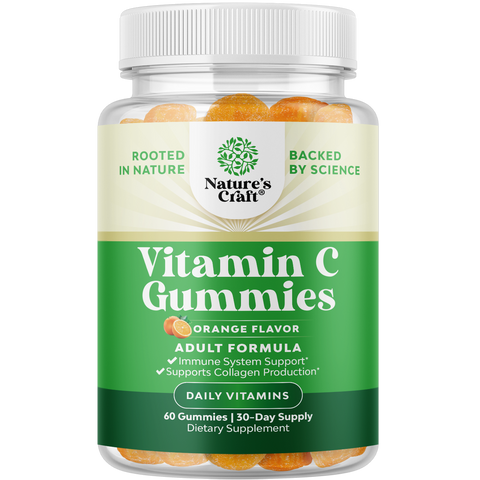
Nature's Craft Vitamin C Gummies provide this essential vitamin in a chewable format.
The product is intended for adults and offers an alternative to conventional tablets and capsules.
But there is an important distinction between supporting normal collagen formation and promising visible changes in skin appearance.
Taking more vitamin C than the body requires doesn't automatically result in smoother skin or fewer wrinkles.
The established nutritional role is meaningful without needing to turn it into a cosmetic guarantee.
Collagen and Biotin Belong to Different Nutritional Conversations
Collagen and biotin often appear together in beauty supplements, although they have different roles.
Collagen is a protein that contributes to the structure of connective tissues.
Biotin is a water-soluble B vitamin involved in the metabolism of carbohydrates, fats, and proteins.
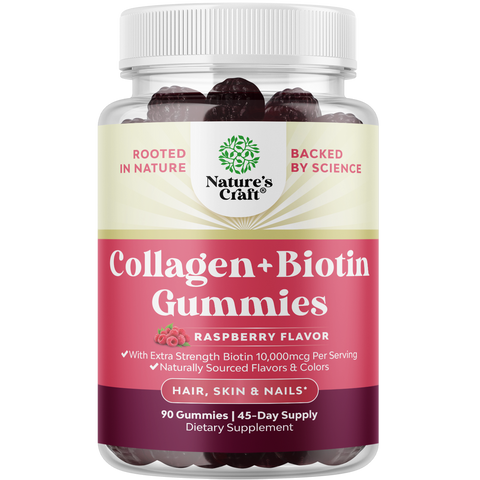
Nature's Craft Collagen + Biotin Gummies combine these ingredients in a chewable supplement.
The formulation brings together a structural protein ingredient and a vitamin involved in normal metabolic functions.
That combination is different from a vitamin C supplement.
It also raises different questions about clinical evidence.
Studies investigating oral collagen supplements have reported mixed findings for skin hydration and elasticity. Many trials have been small, and differences in formulations, study quality, and commercial funding complicate interpretation.
Biotin deficiency can affect hair and skin, but evidence that additional biotin improves appearance in people without a deficiency remains limited.
These distinctions matter when comparing products marketed for hair, skin, and nails.
Healthy Fats Have Their Own Role
Skin contains lipids that contribute to its normal structure and function.
Adequate dietary fat intake is important for overall nutrition, including the supply of essential fatty acids.
Flaxseed is a plant source of alpha-linolenic acid, an essential omega-3 fatty acid.
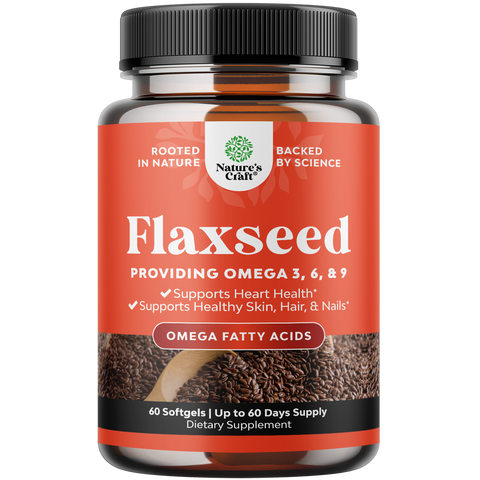
Nature's Craft Flaxseed capsules offer a supplemental source of flaxseed-derived oil.
ALA is important because the body cannot manufacture it and must obtain it through the diet.
However, an essential fatty acid's established nutritional role does not mean supplemental flaxseed oil has been proven to reduce wrinkles or produce visible skin radiance.
The distinction is especially important when evaluating beauty claims.
An ingredient can be nutritionally valuable without being a clinically established cosmetic treatment.
Three Products, Different Questions
These formulations are better compared according to their ingredients than according to promises about appearance.
| Nature's Craft Product | Featured Nutritional Components | Main Consideration |
|---|---|---|
| Vitamin C Gummies | Vitamin C | Normal collagen formation and antioxidant functions |
| Collagen + Biotin Gummies | Collagen and biotin | Structural protein supplementation and normal nutrient metabolism |
| Flaxseed | Flaxseed-derived fatty acids | Dietary intake of plant-based omega-3 ALA |
None of these products should automatically be considered a substitute for another.
They have different compositions, nutritional purposes, and research limitations.
Their suitability depends on dietary intake, individual needs, other supplements, and relevant health considerations.
The Factors a Beauty Supplement Cannot Control
Skin appearance changes throughout life.
Sun exposure, age, genetics, environmental conditions, sleep, and overall health can all influence how skin looks and feels.
Adequate nutrition contributes to normal skin function, but it is only one part of that picture.
Sun protection, appropriate skincare, and medical care for persistent skin concerns remain important.
A supplement cannot replace those measures.
For a separate editorial perspective on the expectations surrounding ingestible beauty, read When Did Skin Care Become Something We Swallow?
Looking at Beauty Supplements Through Nutrition
At Nature's Craft, our supplement collection includes ingredients with different roles in normal physiology.
Vitamin C is essential for collagen synthesis.
Collagen is a structural protein that has attracted interest in skin-related clinical research.
Flaxseed provides plant-derived fatty acids that contribute to nutritional intake.
These differences are worth recognizing before choosing a supplement.
The goal isn't to suggest that every beauty routine requires several products.
It's to identify whether a particular ingredient meets a nutritional need and whether the available evidence supports the outcome someone expects.
Skin wellness has a nutritional dimension, but that doesn't mean every nutritional ingredient produces visible beauty benefits.
A thoughtful comparison respects both sides of that distinction.
