


Green tea extract, berberine, and multi-ingredient botanical blends occupy different places within the weight-management supplement category.
They may appear alongside one another in shopping results, but their formulations and research backgrounds are not identical.
At Nature's Craft, our collection includes Green Tea, Berberine with Ceylon Cinnamon, and Weight Burner.
Each product represents a different ingredient approach.
A useful comparison begins by looking at what the formula contains rather than assuming that every product marketed for weight management works the same way.
Three Formulas, Three Different Starting Points
Nature's Craft Green Tea
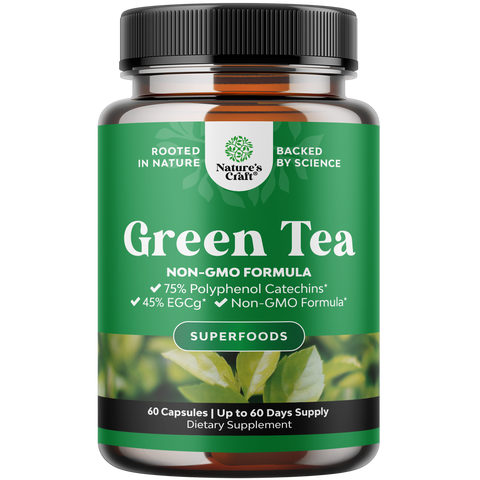
Green tea contains naturally occurring polyphenols known as catechins.
One of the most studied catechins is EGCG, a compound investigated for its potential influence on several biological processes.
Green tea extract has also been studied in relation to energy expenditure and fat oxidation.
However, clinical findings have been inconsistent, and any average weight-related benefits appear modest.
Concentrated extracts deserve additional attention because high-dose green tea supplements have been associated with liver injury in some individuals.
The amount of extract, catechin concentration, caffeine exposure, and individual health circumstances are all relevant considerations.
Nature's Craft Berberine with Ceylon Cinnamon

Berberine is a plant-derived compound studied for its effects on blood glucose and certain metabolic markers.
Our formula combines berberine with Ceylon cinnamon and milk thistle extract.
This composition differs from conventional stimulant-focused weight-management supplements.
Research involving berberine has produced some promising findings, but study quality and results vary.
Berberine can also interact with medications, particularly those affecting blood glucose, and is generally avoided during pregnancy and breastfeeding.
It should not replace prescribed treatment for diabetes, obesity, or other medical conditions.
Nature's Craft Weight Burner
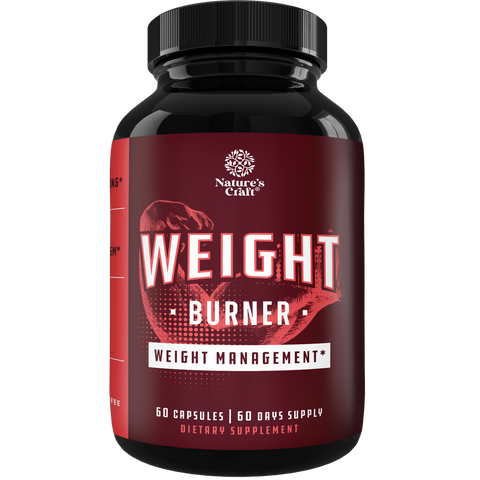
Weight Burner takes a combination approach, featuring several botanical ingredients commonly discussed in weight-management research.
These include green coffee bean, garcinia cambogia, raspberry ketones, and green tea.
The ingredients have been investigated for different potential biological effects.
However, evidence for meaningful weight-loss benefits remains limited or inconsistent for several of these compounds.
The presence of multiple ingredients does not establish that their effects combine to produce greater results.
Potential safety concerns, including reported liver injury associated with certain botanical extracts, also deserve consideration.
The Label Questions That Matter
A supplement label provides several useful pieces of information, but each requires context.
What is the actual ingredient?
Green tea extract is not identical to brewed green tea.
Berberine is not the same ingredient as cinnamon.
A botanical blend may contain several extracts with different properties.
How much is included?
Serving amounts matter when evaluating whether a product resembles the formulations used in published research.
For extracts, standardization information can also be relevant.
Does the formula contain stimulants?
Caffeine exposure deserves attention, especially for people who are sensitive to stimulants or already consume caffeine through coffee, tea, or energy drinks.
Are there possible interactions?
Some ingredients may interact with medications or be inappropriate for particular medical conditions.
What does the evidence actually demonstrate?
A change in a metabolic measurement isn't necessarily equivalent to clinically meaningful weight loss.
These questions help distinguish ingredient characteristics from advertising claims.
Why a Longer Ingredient List Isn't Automatically Better
Multi-ingredient formulas can appear comprehensive because they combine several botanical extracts.
But more ingredients also create more variables.
Each compound may have different research findings, dosage considerations, and potential adverse effects.
Research involving an individual ingredient doesn't automatically establish that a combination product produces the same result.
Likewise, the presence of several ingredients associated with metabolism doesn't prove that the formula produces substantial fat loss.
For an independent examination of this distinction, read The Weight-Loss Supplement Claim That Deserves a Second Look.
Where Supplements Fit Into Weight Management
Long-term weight management involves several interconnected factors.
Dietary patterns, physical activity, sleep, medications, genetics, and underlying health conditions can all influence outcomes.
For some individuals, medically supervised treatment may be appropriate.
Dietary supplements cannot replace these considerations.
They should also not be expected to produce substantial weight loss simply because they contain ingredients associated with metabolism.
People with medical conditions, those taking medications, and individuals who are pregnant or breastfeeding should seek professional guidance before considering weight-management supplements.
Comparing Nature's Craft Weight Management Options
Our Green Tea, Berberine with Ceylon Cinnamon, and Weight Burner formulas provide different ingredient profiles within the same broad shopping category.
Green Tea focuses on concentrated tea-derived compounds.
Berberine with Ceylon Cinnamon combines a plant-derived metabolic research ingredient with additional botanicals.
Weight Burner brings several ingredients commonly associated with weight-management formulations into one product.
These distinctions can help shoppers identify which questions to ask about each formula.
They do not establish that one product is universally more effective than another.
The most meaningful comparison considers ingredient identity, amounts, available evidence, safety, and individual circumstances.
A supplement's category tells you where it is marketed.
Its formulation tells you what you're actually evaluating.
