


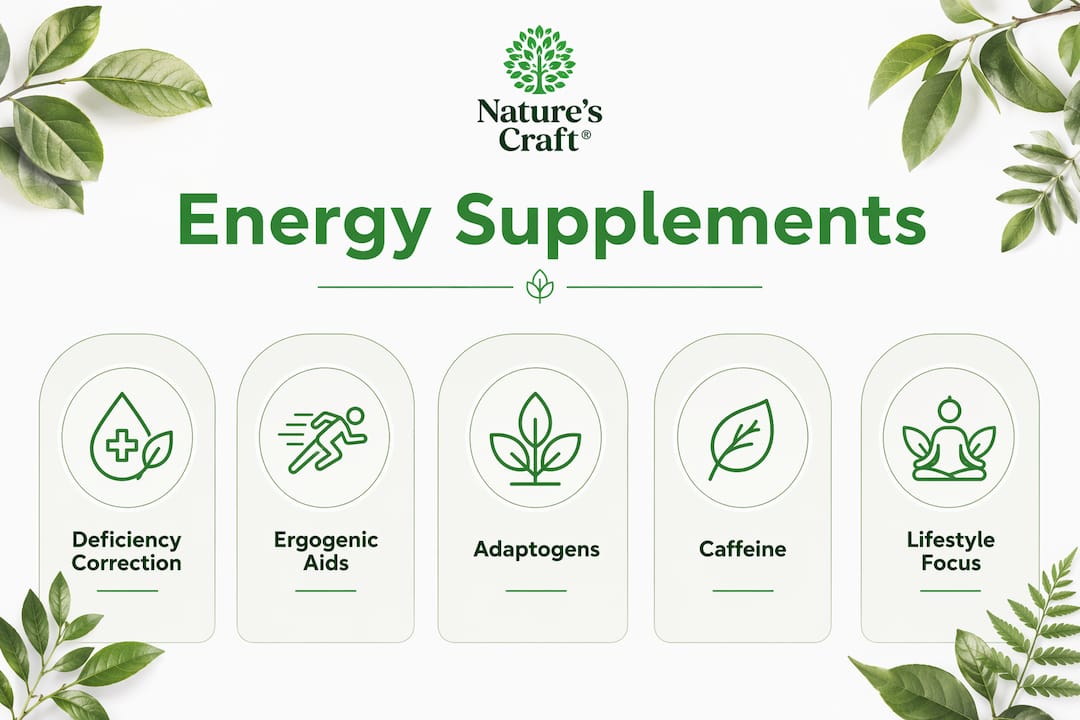
The supplements most likely to support men’s energy are B12 (when deficient), vitamin D (when low), iron (when ferritin is low), magnesium, creatine, dietary nitrates, ashwagandha, and caffeine for short-term alertness. The critical rule: most of these supplements only deliver real results when a deficiency exists or a specific performance goal is present. They are not a substitute for sleep, a solid diet, or consistent training.
- B vitamins/B12: Corrects fatigue caused by deficiency; no benefit if levels are already adequate
- Vitamin D: Supports energy and mood when levels are low, especially in older men
- Iron: Restores exercise capacity in iron-deficiency anemia; no benefit with normal stores
- Magnesium: Widely insufficient in American men; supports muscle function and sleep quality
- CoQ10: Involved in cellular energy; clinical performance evidence is inconsistent
- Creatine: Proven ergogenic aid for strength and sprint capacity when combined with training
- Dietary nitrates (beetroot): Improve endurance and oxygen efficiency in trained men
- Ashwagandha: Promising adaptogen with clinical trial support for energy and stamina
- Caffeine: Reliable short-term alertness boost; cardiac and sleep risks at high doses
Safety caveat: Stimulant-heavy energy drinks and high-dose formulas carry real cardiac risks. If you take blood pressure, cholesterol, or heart medications, check with your clinician before adding any stimulant supplement. If your fatigue is unexplained, get labs first.
Table of Contents
- Supplements supporting male energy levels: what the evidence says
- When do supplements actually improve your energy?
- Safety, drug interactions, and energy products to use with caution
- How to choose a quality supplement
- Lifestyle changes that improve energy more than most supplements
- When should you see a clinician about fatigue?
- Key Takeaways
- A note on evidence and product quality
- Nature’s Craft supplements for men’s energy and heart health
- Useful sources
- FAQ
Supplements supporting male energy levels: what the evidence says
Each supplement below gets a concise profile so you can quickly decide what is worth testing and what to discuss with your doctor.
Vitamin B12
Mechanism: B12 is required for red blood cell production and neurological function. Deficiency causes fatigue, weakness, and brain fog. Evidence level: strong for deficiency correction; none for healthy men. Manufacturers often market B12 for energy and athletic performance, but B12 supplements do not increase energy in men who already get adequate B12 from their diet. Men most likely to benefit: vegans, vegetarians, adults over 50, and those on metformin or proton pump inhibitors. Typical supplemental dose: a commonly used range of cyanocobalamin or methylcobalamin. Effects on deficiency-related fatigue can appear within 4–8 weeks. No significant toxicity risk at standard doses.
Vitamin D
Mechanism: Supports mitochondrial function, testosterone production, and mood regulation. Evidence level: moderate for men with low levels. Men over 50, those with limited sun exposure, and darker-skinned men are at highest risk of insufficiency. Target serum level: 30–50 ng/mL (25-hydroxyvitamin D). Typical supplemental dose: a commonly used range around 1,000–2,000 IU/day; some clinicians prescribe higher doses short-term for severe deficiency. Expect 8–12 weeks to see meaningful lab improvement. Avoid megadosing without testing, as vitamin D toxicity is real above sustained high doses.

Iron and ferritin
Mechanism: Iron is central to oxygen transport. Low ferritin, even without frank anemia, can cause persistent fatigue and reduced exercise capacity. Evidence level: strong for iron-deficiency anemia; no benefit with normal stores. Iron supplementation improves exercise capacity in men with iron-deficiency anemia, but routine iron supplementation does not help those with normal iron stores and can cause side effects at high doses. Always test ferritin before supplementing. Typical therapeutic dose used under clinician supervision. Take iron away from calcium supplements and certain antibiotics, which block absorption.
Magnesium
Mechanism: Involved in over 300 enzymatic reactions, including ATP production and muscle contraction. Evidence level: moderate for men with low intake. Many American men have insufficient magnesium intake. Magnesium glycinate or malate tends to be better tolerated than oxide forms. Typical supplement doses vary. Benefits for sleep quality and muscle recovery often appear within 2–4 weeks. High doses can cause loose stools; stay within the tolerable upper intake level of 350 mg/day from supplements (food magnesium is not capped).
Coenzyme Q10 (CoQ10)
Mechanism: CoQ10 is a key component of the mitochondrial electron transport chain, directly involved in cellular energy production. Evidence level: limited/conflicting for physical performance. Clinical trials have produced inconsistent results for improving physical performance in healthy individuals; benefits for certain conditions may take months to appear. Men on statins may have lower CoQ10 levels and could benefit most. Typical dose: 100–200 mg/day of ubiquinol or ubiquinone. Generally well tolerated. If you are curious about a vetted CoQ10 supplement, look for products with clear dosing on the label.
Caffeine
Mechanism: Blocks adenosine receptors, reducing perceived fatigue and increasing alertness. Evidence level: strong for short-term alertness and exercise performance. The ergogenic dose is roughly 2–6 mg/kg body weight, which works out to about 210–420 mg for a 154 lb man. The general adult upper limit is around 400–500 mg/day. Take 30–60 minutes before exercise for peak effect. Avoid caffeine within 6 hours of bedtime to protect sleep quality. Men with hypertension or arrhythmias should discuss caffeine use with their clinician.
Creatine
Mechanism: Replenishes phosphocreatine stores in muscle, increasing work capacity during high-intensity efforts. Evidence level: strong for strength and power output. Short-term creatine supplementation (5–7 days) often significantly increases strength and power in men. Creatine is not a magic muscle builder on its own; it increases work capacity so that, combined with heavy training and good nutrition, it can help build muscle and improve exercise capacity. Creatine monohydrate is the best-studied and most cost-effective form. Typical doses are in the low gram range per day. For a deeper look at dosing and timing, the science behind creatine is worth reviewing. Generally safe for healthy men; those with kidney disease should consult a clinician.
Dietary nitrates (beetroot)
Mechanism: Converted to nitric oxide in the body, improving blood flow and oxygen efficiency in muscle. Evidence level: moderate for endurance performance. Most useful for recreational and competitive endurance athletes. Typical protocols involve doses of dietary nitrate taken 2–3 hours before exercise. Effects are most pronounced in men who are not already elite-level athletes. Not a meaningful energy booster at rest.
Ashwagandha
Mechanism: Adaptogen that modulates cortisol and supports hormonal balance. Evidence level: moderate, with growing clinical support. A randomized, double-blind, placebo-controlled trial using standardized ashwagandha root extract over 8 weeks reported improved energy, endurance, and sexual health endpoints in healthy men. Standardized extracts are more likely to reproduce study outcomes than non-standardized products. Typical doses of standardized extracts are used. Allow 6–8 weeks for full effect. Avoid in men with autoimmune conditions or those on thyroid medications without clinician guidance.

Ginseng (Panax)
Mechanism: May support mental alertness and reduce fatigue through adaptogenic and anti-inflammatory pathways. Evidence level: limited/mixed. Some short-term trials show modest improvements in cognitive fatigue and physical endurance, but study quality varies. Typical doses of standardized ginseng extracts are used. Effects, when present, tend to appear within 4–8 weeks. Ginseng can interact with blood thinners and stimulant medications.
Fenugreek seed extract
Mechanism: Standardized fenugreek compositions may support testosterone levels and exercise endurance. An 8-week randomized, double-blind study of a standardized fenugreek seed extract in recreationally active men reported improvements in endurance, time to exhaustion, oxygen consumption, and mental fatigue versus placebo, without serious adverse events. Evidence level: moderate for exercise endurance with standardized extracts. Look for products that specify the extract name and standardization marker. Typical dose: follows the studied extract’s protocol (varies by product). Generally well tolerated in short-term trials.
Zinc and omega-3s
Zinc: Supports testosterone production and immune function. Deficiency is linked to fatigue and low testosterone. Evidence level: moderate for deficient men. Typical dose: 8–11 mg/day from diet plus supplements; do not exceed 40 mg/day long-term. Omega-3s: Support cardiovascular health and reduce inflammation, which can indirectly support energy and recovery. Evidence level: moderate for general health; limited direct energy evidence. Typical dose: 1–2 g EPA+DHA/day. Both are generally safe at standard doses.
When do supplements actually improve your energy?
Two evidence-backed use cases stand out clearly.
- Correcting a documented deficiency. B12, iron, and vitamin D each have strong evidence for restoring energy when levels are genuinely low. If your fatigue has a measurable nutritional cause, targeted supplementation can produce noticeable improvement within weeks to months. Without a deficiency, the same supplements do nothing for energy.
- Targeted ergogenic use for exercise. Creatine, caffeine, and dietary nitrates are the most evidence-supported options for improving physical performance. They work best when layered onto solid training and nutrition, not used as a shortcut around them. Many supplements marketed for energy do not replace foundational habits; experts recommend optimizing diet, sleep, and exercise first.
- Adaptogens for stress-related fatigue. Ashwagandha and, to a lesser extent, ginseng show promise for men experiencing fatigue related to high cortisol, poor recovery, or suboptimal hormonal balance. Their effects are gradual and most reliable with standardized extracts at researched doses.
- Short-term alertness. Caffeine is the most reliable tool here. It works within 30–60 minutes and the effect is well-documented. The tradeoff is tolerance buildup and sleep disruption with daily high-dose use.
Realistic timeframes: Lab-correctable deficiencies (B12, iron, vitamin D) typically show measurable improvement in 4–12 weeks. Ergogenic supplements like creatine show strength gains within 5–7 days of loading. Adaptogens generally require 6–8 weeks of consistent use. If you have tried a supplement for 8–12 weeks with no perceptible change and your labs are normal, it is unlikely to help you.
Special populations most likely to gain: Vegans and vegetarians for B12; men over 50 for vitamin D; endurance athletes for beetroot/nitrates; men with high training loads for creatine and magnesium.
Safety, drug interactions, and energy products to use with caution
Before adding any supplement to your routine, run through these checks.
- Iron: Can reduce absorption of fluoroquinolone and tetracycline antibiotics. Take iron at least 2 hours apart from these medications. High-dose iron without deficiency causes gastrointestinal side effects and, over time, iron overload.
- Vitamin K-containing supplements: Can reduce the effectiveness of warfarin (blood thinners). If you are anticoagulated, discuss any new supplement with your clinician.
- Stimulants and beta-blockers: Caffeine and high-stimulant formulas can blunt the heart-rate-lowering effect of beta-blockers and may increase blood pressure in men on antihypertensive medications.
- Ashwagandha and thyroid medications: Ashwagandha can alter thyroid hormone levels. Men on levothyroxine or other thyroid drugs need clinician sign-off before use.
- Ginseng and blood thinners: Panax ginseng may potentiate anticoagulant effects; avoid combining with warfarin or aspirin without guidance.
- Energy drinks and high-stimulant formulas: Clinical and expert sources caution that energy drinks can raise cardiac risk and disrupt sleep, and are often unregulated compared with pharmaceutical drugs. Because the FDA treats many energy drinks as dietary supplements, they lack the rigorous safety testing of drugs. Men with unknown cardiac risks or on cardiac medications should be especially cautious.
- High-dose antioxidants around training: High-dose antioxidant supplementation (vitamins C and E, and some CoQ10 uses) taken to blunt exercise-induced oxidative stress may actually inhibit beneficial training adaptations like muscle growth and power. More is not always better.
Pro Tip: Check the total caffeine content across all products you use in a day, including pre-workouts, energy drinks, and fat burners. Stacking multiple stimulant products is one of the most common ways men accidentally exceed safe limits. Keep total daily caffeine under 400 mg and stop intake at least 6 hours before bed.
How to choose a quality supplement
Not all supplements on the shelf are created equal. These signals separate trustworthy products from filler.
- Third-party testing: Look for seals from USP, NSF International, or ConsumerLab. These organizations independently verify that a product contains what the label claims and is free from harmful contaminants.
- Clear Supplement Facts panel: The label should list the exact form of each ingredient (e.g., magnesium glycinate, not just “magnesium”), the amount per serving, and the serving size. Proprietary blends that hide individual doses are a red flag.
- Standardized botanical extracts: For ashwagandha, ginseng, and fenugreek, choose products that specify the extract name and standardization percentage. Clinical trials are tied to specific extracts at specific doses; a generic powder may not reproduce those results.
- Creatine monohydrate over fancy forms: Creatine monohydrate is the most studied, most affordable, and most effective form. Newer forms (creatine HCl, buffered creatine) have not consistently outperformed it in head-to-head trials.
- Caffeine timing: Take caffeine-containing supplements 30–60 minutes before exercise for peak ergogenic effect. Avoid products that combine caffeine with multiple other stimulants unless you have verified the total stimulant load.
- Certificate of Analysis (COA): Reputable brands make batch-specific COAs available on request or on their website. This document confirms third-party lab results for that specific production run.
Pro Tip: Before buying any botanical supplement, search the brand name plus “COA” or “third-party tested” online. If the company cannot produce a COA for the current batch, that is a strong signal to look elsewhere.
For a broader look at male vitality supplements and how to evaluate them, Shopnaturescraft’s resource library covers the key criteria in detail.
Lifestyle changes that improve energy more than most supplements
Supplements work best as targeted tools layered onto strong habits. These lifestyle changes tend to produce larger energy gains than any single supplement.
- Sleep 7–9 hours consistently. Sleep is where testosterone is produced and muscle is repaired. Chronic short sleep undermines every supplement you take.
- Eat enough protein and micronutrient-dense food. Aim for 0.7–1 g of protein per pound of bodyweight. Whole foods supply B vitamins, magnesium, zinc, and iron in forms your body uses well.
- Train with resistance and aerobic exercise. Resistance training raises testosterone and improves mitochondrial density. Aerobic training improves cardiovascular efficiency and reduces fatigue at submaximal effort.
- Stay hydrated. Even mild dehydration reduces cognitive performance and physical output. Aim for pale yellow urine throughout the day.
- Time caffeine strategically. Use it before training or during a mid-morning slump, not as a substitute for sleep. Cycling off caffeine periodically prevents tolerance buildup.
- Manage stress actively. Chronically elevated cortisol suppresses testosterone and disrupts sleep. Structured stress management (exercise, adequate recovery, social connection) addresses a root cause that no supplement fully compensates for.
The order of operations matters: test for deficiencies first, fix diet and sleep second, then trial targeted supplements one at a time. Strategies for combating seasonal fatigue with nutrient-dense food offer practical starting points for the dietary side of this equation.
When should you see a clinician about fatigue?
Some symptoms signal that fatigue needs medical evaluation, not a supplement trial.
- Sudden or unexplained weight loss alongside fatigue warrants prompt evaluation for thyroid disease, diabetes, or other systemic conditions.
- Chest pain, palpitations, or fainting during or after exercise are red flags for cardiac issues. Stop stimulant supplements immediately and see a clinician.
- Severe or worsening mood changes (depression, anxiety, irritability) combined with fatigue may indicate low testosterone, thyroid dysfunction, or a mood disorder.
- Persistent fatigue despite adequate sleep for more than 4–6 weeks without an obvious lifestyle cause is worth investigating with labs.
Tests to request:
- CBC with differential: Screens for anemia and other blood abnormalities
- Ferritin and serum iron/TIBC: Identifies iron deficiency before it progresses to anemia
- TSH and free T4: Rules out hypothyroidism, a common and treatable cause of fatigue in men
- 25-hydroxyvitamin D: Confirms vitamin D status
- Serum B12: Especially important for vegans, vegetarians, and men over 50
- Basic metabolic panel: Checks kidney function, electrolytes, and blood glucose
- Total and free testosterone: Clinically indicated when fatigue is accompanied by low libido, reduced muscle mass, or mood changes
What abnormal results mean for supplements: low ferritin points to iron therapy under clinician supervision, not over-the-counter iron pills at random doses. Normal ferritin means iron supplements will not help your energy. Low vitamin D or B12 makes targeted supplementation the logical first step. For context on testosterone support supplements and when they are clinically relevant, that resource covers the key indicators.
This article is general health information, not medical advice. Confirm current guidelines and your personal situation with a qualified clinician or registered dietitian.
Key Takeaways
The most reliable supplements for men’s energy are those that correct a documented deficiency or support a specific performance goal, not those taken blindly in hopes of a boost.
| Point | Details |
|---|---|
| Deficiency correction first | B12, iron, and vitamin D only improve energy when levels are genuinely low; test before supplementing. |
| Proven ergogenic aids | Creatine (3–5 g/day) and caffeine (2–6 mg/kg) have strong evidence for exercise performance in men. |
| Adaptogens need standardized extracts | Ashwagandha and fenugreek show clinical benefits only with standardized extracts at researched doses over 6–8 weeks. |
| Safety check before stimulants | Energy drinks and high-stimulant formulas carry cardiac risks; check total caffeine and inform your clinician if on medications. |
| Shopnaturescraft options | Shopnaturescraft offers vetted CoQ10, magnesium, and vitamin D products with clear labeling for men focused on energy support. |
A note on evidence and product quality
The gap between what supplement marketing promises and what clinical evidence actually supports is wider than most men realize. Fatigue is one of the most common complaints in primary care, and the supplement industry has built an entire category around it. The honest truth is that the majority of “energy” products on the market have little to no clinical evidence behind them at the doses and forms they use.
What the research does support is narrower and more specific: correct a deficiency, use a proven ergogenic aid for exercise, or trial a standardized adaptogen for stress-related fatigue. That is a shorter list than most product pages suggest, but it is a list you can actually act on with confidence.
At Shopnaturescraft, the commitment is to products with clear ingredient forms, honest dosing, and third-party verification. The brand does sell supplements, and that is worth stating plainly. The guidance in this article is built on published clinical evidence and primary sources, not on what happens to be in the product catalog. The recommendation is always to test first, fix lifestyle basics, and then use supplements as targeted tools, not as a first resort.
Nature’s Craft supplements for men’s energy and heart health
If you have worked through the evidence and want a vetted starting point, Shopnaturescraft offers products directly relevant to what this article covers. The Heart Health Bundle is a practical option for men who want cardiovascular support alongside their energy supplement routine, particularly relevant if you are considering stimulant-containing products and want a foundation of heart-supporting nutrients.

Shopnaturescraft’s product line includes CoQ10, magnesium, and vitamin D options with clear Supplement Facts labels and sourced ingredients. Every product is designed to complement, not replace, the foundational habits this article covers. Check the current product range at shopnaturescraft.com and look for the third-party testing information on each product page before you buy.
Useful sources
- NIH ODS: Vitamin B12 Consumer Fact Sheet
- NIH ODS: Dietary Supplements for Exercise and Athletic Performance (Consumer)
- NIH ODS: Dietary Supplements for Exercise and Athletic Performance (Health Professional)
- PMC: CoQ10 and Physical Performance Review
- PMC: Antioxidants and Exercise Adaptations Review
- Frontiers in Reproductive Health: Ashwagandha Root Extract RCT (2026)
- Fenugreek Seed Extract Human Clinical Study (PDF)
- University of Utah Health: Men’s Supplements That Work
- Energy Drinks Safety Considerations (Circadian PDF)
- Harvard Health: Best Vitamins and Minerals for Energy
FAQ
What supplements give men more energy?
The supplements with the strongest evidence for men’s energy are B12 and iron (when deficient), vitamin D (when low), creatine and caffeine for exercise performance, and ashwagandha for stress-related fatigue. Supplements only reliably help when a deficiency or specific performance use case is present.
What can a man take to give him energy quickly?
Caffeine is the most reliable option for fast, short-term alertness, with effects appearing within 30–60 minutes at a dose of roughly 2–6 mg/kg body weight. For sustained energy, correcting an underlying deficiency in B12, iron, or vitamin D produces more durable results over weeks to months.
What vitamins are good for energy in men?
B12, vitamin D, and magnesium are the vitamins and minerals most directly linked to energy in men, particularly when intake or serum levels are low. A basic blood panel (B12, 25-hydroxyvitamin D, ferritin) is the most efficient way to identify which, if any, you actually need.
How long does it take for energy supplements to work?
Caffeine works within an hour. Creatine shows measurable strength gains within 5–7 days of consistent use. Deficiency corrections (B12, iron, vitamin D) typically require 4–12 weeks to produce noticeable lab and symptom improvement. Adaptogens like ashwagandha generally need 6–8 weeks of daily use at a standardized dose.
Are energy drinks safe for men?
Energy drinks carry real cardiac and sleep risks, especially at high doses or when combined with other stimulants. Because the FDA regulates many energy drinks as dietary supplements rather than drugs, they are not subject to the same safety testing. Men with cardiovascular conditions or those on cardiac medications should avoid high-stimulant energy products without clinician guidance.

