


Melatonin has become a familiar ingredient in children's sleep supplements, but it differs from conventional vitamins and minerals in an important way.
Melatonin is a hormone naturally produced by the body. Its primary function involves communicating information about the sleep-wake cycle.
That distinction matters when parents explore children's sleep supplements.
Nature's Craft Kids Melatonin Gummies provide melatonin in a chewable format, but understanding the ingredient and the circumstances in which it may be appropriate is more important than simply choosing a convenient delivery method.
Why the Body Produces Melatonin
The body's internal clock helps coordinate periods of sleep and wakefulness.
Melatonin is one of the signals involved in that process.
Production generally increases in response to darkness, helping communicate that biological nighttime has arrived.
Light exposure, sleep schedules, and individual circadian rhythms can influence this process.
Supplemental melatonin introduces an additional amount of the hormone.
It may be useful in certain situations involving sleep timing, but it isn't a universal solution for childhood sleep difficulties.
Understanding Nature's Craft Kids Melatonin Gummies
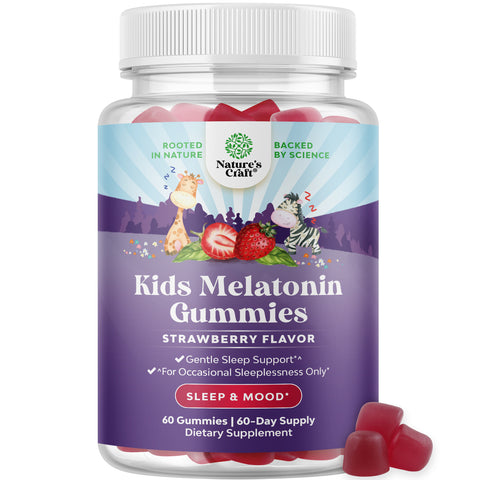
Nature's Craft Kids Melatonin Gummies contain 1 mg of melatonin per gummy.
The product comes in a 60-gummy bottle and provides a chewable alternative to tablets or liquid supplements.
The current label directions specify one gummy for adults and children over four years of age, or as directed by a healthcare professional.
However, a labeled serving should not be interpreted as a recommendation that every child over four needs melatonin.
Parents should discuss the reason for supplementation, the appropriate amount, and timing with a pediatrician before giving melatonin to a child.
Why Melatonin Isn't the Same as a Relaxation Supplement
Some children's sleep-related supplements contain ingredients such as magnesium, chamomile, or other botanicals.
Melatonin works differently because it is directly involved in circadian signaling.
A product marketed for relaxation doesn't necessarily contain melatonin, and a product containing melatonin isn't automatically a treatment for anxiety or other bedtime difficulties.
These differences become especially important when children experience persistent sleep problems.
The underlying cause may involve sleep timing, behavioral patterns, environmental factors, or medical conditions.
Understanding the cause should come before choosing a supplement.
What Parents Should Know About Melatonin Amounts
Children's melatonin products are sold in different strengths.
The amount printed on a bottle is important, but more melatonin doesn't necessarily produce better sleep.
Appropriate use depends on factors such as age, the sleep concern being addressed, timing, and individual circumstances.
Research has also raised concerns about differences between labeled and measured melatonin amounts in some commercially available gummy supplements.
For that reason, product quality and credible testing information deserve attention.
Nature's Craft describes its products as quality tested, but shoppers should review available testing information rather than assume that every supplement has the same independent certifications.

Bedtime Habits Still Deserve Attention
Before considering melatonin, families can examine the circumstances surrounding bedtime.
A consistent sleep schedule helps reinforce predictable sleep and wake times.
Reducing bright light and screen exposure close to bedtime may support normal circadian signaling.
A comfortable sleeping environment, age-appropriate activity, and a predictable evening routine can also contribute to healthier sleep habits.
These measures won't resolve every childhood sleep concern.
Persistent difficulties, unusual nighttime behaviors, loud snoring, or significant daytime sleepiness should be discussed with a pediatrician.
Melatonin Safety and Long-Term Questions
Melatonin is often described as natural because the body produces it.
However, supplemental melatonin can still cause unwanted effects.
Possible side effects include headaches, dizziness, daytime sleepiness, nausea, and vivid dreams.
Long-term safety information in children remains limited.
Children with medical conditions or those taking medications may require additional precautions.
Parents should also keep melatonin gummies securely stored away from children because their appearance and flavor may resemble ordinary candy.
Choosing a Children's Melatonin Supplement
Parents comparing melatonin products should look beyond popularity and flavor.
The actual melatonin amount, intended age group, ingredient list, quality information, and appropriate use all deserve consideration.
For an independent discussion of why children's melatonin requires particular care, read Melatonin for Kids Sounds Simple. The Questions Behind It Aren't.
A thoughtful comparison begins with whether melatonin is appropriate for the child, not simply which product has the most appealing features.
Where Nature's Craft Kids Melatonin Gummies Fit
Nature's Craft Kids Melatonin Gummies provide a 1 mg chewable melatonin option for families considering this supplement under appropriate professional guidance.
The product is not intended to diagnose, treat, cure, or prevent a sleep disorder.
Nor should it replace an assessment of persistent childhood sleep problems.
Children's sleep wellness begins with understanding sleep patterns, supporting healthy routines, and seeking medical advice when needed.
When melatonin is being considered, the most important decision is whether it fits the child's individual circumstances.
The supplement format comes afterward.
