

If you’re ready to buy now, start with Nature’s Craft Organic Ceylon Cinnamon 1000 mg. It uses Ceylon cinnamon (the low-coumarin species), delivers a clear 1,000 mg per serving, and comes from a brand with lab-verified sourcing. If you’re currently on insulin, metformin, or any glucose-lowering medication, check with your clinician before adding any cinnamon supplement to your routine.
Before you pick up any bottle, scan the label for three things:
- Species: Look for Cinnamomum verum (Ceylon) rather than Cassia to minimize coumarin exposure.
- Dose: A stated mg per serving for the extract, not just “cinnamon bark powder.”
- Third-party testing: A Certificate of Analysis (COA) or independent lab verification on the product page.
Table of Contents
- What are Cinnamon Plus supplements and how do they work?
- What does the clinical evidence actually show?
- What do the “plus” ingredients each contribute?
- How do you pick a safe, effective product?
- How should you take Cinnamon Plus, and when will you see results?
- What safety issues should you know before buying?
- Nature’s Craft Organic Ceylon Cinnamon 1000 mg: does it meet the checklist?
- Key Takeaways
- The gap between cinnamon hype and what the evidence actually supports
- Nature’s Craft Ceylon Cinnamon is ready for you to try
- Useful sources
- FAQ
What are Cinnamon Plus supplements and how do they work?
“Cinnamon Plus” is the informal name for a category of dietary supplements that combine cinnamon extract with one or more complementary metabolic ingredients, such as chromium, green coffee extract, or banaba leaf. The goal is a multi-target approach to blood sugar, lipid, and weight markers rather than relying on cinnamon alone.
The biological case for cinnamon rests on its polyphenols. Cinnamaldehyde and proanthocyanidins are the primary bioactive compounds, and researchers link them to improved insulin signaling, reduced inflammatory markers, and better hepatic glucose regulation. In plain terms, these compounds may help your cells respond more efficiently to insulin and slow the liver’s release of glucose between meals.
Key mechanisms at a glance:
- Insulin sensitivity: Cinnamaldehyde activates insulin receptor pathways, helping cells take up glucose more readily.
- Inflammation reduction: Polyphenols lower markers like TNF-alpha that can blunt insulin response.
- Hepatic glucose handling: Proanthocyanidins appear to reduce glucose output from the liver.
- Multi-ingredient synergy: Adding chromium (cofactor for insulin function), banaba leaf (corosolic acid for glucose uptake), or green coffee extract (chlorogenic acid) targets additional metabolic pathways.
Pro Tip: When comparing products, look for “water-soluble extract” or a stated polyphenol percentage on the label. Standardized extracts deliver more consistent bioactive dosing than plain whole-bark powder.
What does the clinical evidence actually show?
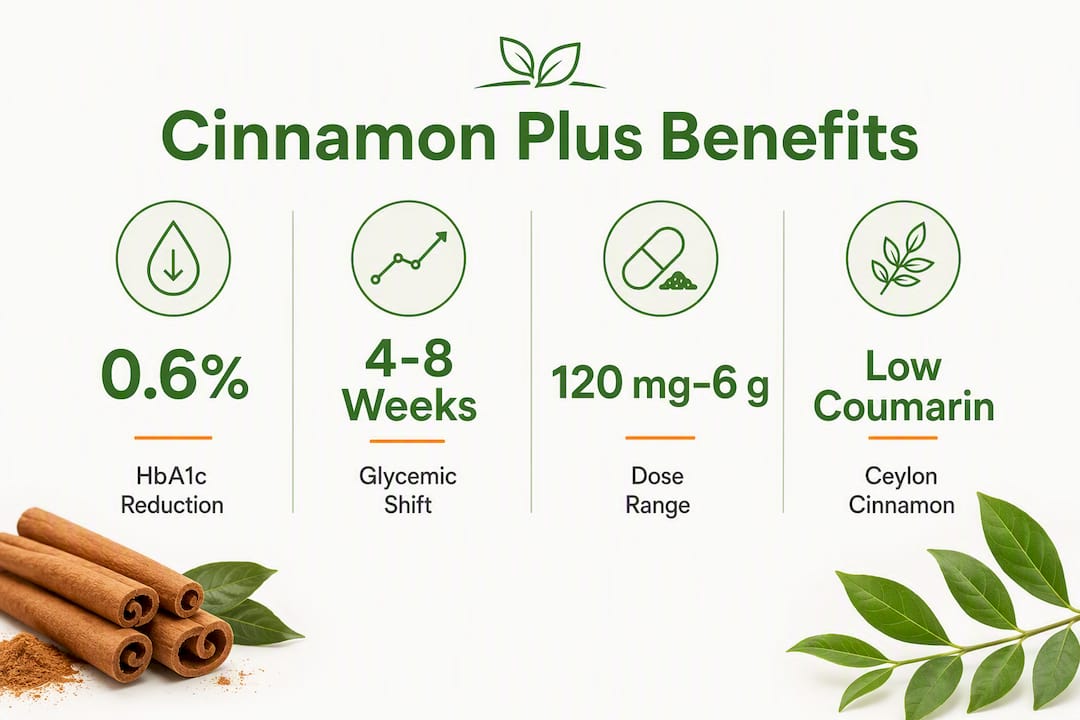
The strongest, most consistent signal in the research is for glycemic control. A 2025 review reported HbA1c reductions up to approximately 0.596% and reliable improvements in fasting blood glucose across multiple randomized controlled trials. Weight loss as a standalone outcome is less consistent, but combination formulas change that picture.
| Endpoint | Typical effect | Study context |
|---|---|---|
| Fasting blood glucose | Consistent reductions | Multiple RCTs, 8 weeks |
| HbA1c | Up to ~0.596% reduction | Systematic review, 2025 |
| Weight / body mass | Modest with combos (e.g., −2.2 kg at 40 days; −3.66 kg in longer combo trials) | Multi-ingredient studies |
| LDL cholesterol | Modest reductions in combo trials | 40-day crossover study |
| Continuous glucose monitoring | Fewer glucose peaks | 4 g/day crossover, overweight/prediabetes |
A 40-day crossover trial using cinnamon with chromium and magnesium reported weight loss of −2.2 kg and reductions in total and LDL cholesterol. A longer multi-ingredient study reached −3.66 kg. Neither result came from cinnamon alone.
Key finding: HbA1c reductions up to ~0.596% and fasting glucose improvements appear across several RCTs, making glycemic support the most evidence-backed reason to try a cinnamon supplement. Weight benefits are real but depend heavily on the full formula.
Dose heterogeneity is a genuine limitation. Trials have used anywhere from 120 mg to 6 g per day, and species differences (Ceylon vs. Cassia) add further variability. Most studies showing glycemic benefit used 500 mg–3 g of cinnamon extract daily.
What do the “plus” ingredients each contribute?
Combination formulas pair cinnamon with ingredients that target overlapping but distinct metabolic pathways:
- Chromium: Acts as a cofactor for insulin function; chromium-containing formulas have shown modest weight and lipid improvements in short trials. Watch for interactions with antidiabetic drugs.
- Green coffee extract: Provides chlorogenic acid, which may slow glucose absorption and support modest weight loss. Green coffee beans are a well-studied addition to metabolic formulas.
- Banaba leaf: Contains corosolic acid, which promotes cellular glucose uptake similarly to insulin.
- Glucomannan: A soluble fiber that slows digestion, supports satiety, and has shown anthropometric benefits in combination studies.
- Magnesium: Supports over 300 enzymatic reactions, including those involved in glucose metabolism.
Coumarin warning: Cassia cinnamon contains significantly more coumarin than Ceylon. Research shows Cassia coumarin levels of 0.8–10.63% versus approximately 2% in some Ceylon measurements. At high supplemental doses, elevated coumarin intake raises liver-toxicity risk. This is the primary reason Ceylon (Cinnamomum verum) is the preferred species for daily supplementation.
Chromium deserves a specific caution: combining chromium with insulin or metformin can amplify glucose-lowering effects and raise hypoglycemia risk. Chromium may also affect levothyroxine absorption, so thyroid patients should flag this to their prescriber.
How do you pick a safe, effective product?
Use this checklist when reading any cinnamon supplement label:
- Species confirmed: Cinnamomum verum (Ceylon) listed, not just “cinnamon bark.”
- Standardized extract: A polyphenol or cinnamaldehyde percentage stated, not only raw powder weight.
- Clear mg per serving: You need to know the actual dose, not a proprietary blend total.
- Third-party COA: Independent lab testing confirms potency and screens for contaminants. Knowing how to verify a COA is one of the most practical skills a supplement shopper can develop.
- Transparent complementary ingredients: Each “plus” ingredient listed with its own dose.
- No misleading claims: Phrases like “clinically proven to cure diabetes” are a red flag; supplements cannot legally make disease-cure claims under DSHEA.
Form factor note: Gummies often contain added sugars, which work against a metabolic goal. Capsules or softgels are generally the better choice for blood-sugar support. Powders can work but make consistent dosing harder.
Cost range: Quality Cinnamon Plus supplements in the U.S. typically run $15–$40 per month. Higher prices usually reflect standardized extracts, added actives, and third-party testing. A product at the low end with no COA and no stated extract standardization is rarely the better value.
Understanding what makes a supplement high quality before you buy saves you from wasting money on underdosed or poorly sourced products.
How should you take Cinnamon Plus, and when will you see results?
Most clinical trials used 500 mg–3 g of cinnamon extract daily, with some glycemic studies using up to 4 g per day. Follow the label dose for your specific product; standardized extracts are often effective at lower milligram totals than whole-bark powder.

Timing: Take with meals when your formula includes fiber or slower-release ingredients. Split doses (morning and evening) tend to mirror how trials were structured and may smooth out glucose effects across the day.
A practical 4-step trial plan:
- Baseline check (Week 0): Note your fasting glucose or recent HbA1c if available. Log your starting weight if that’s a goal.
- Start the trial (Weeks 1–4): Take the product consistently at the labeled dose with meals.
- First assessment (Weeks 4–8): Glycemic markers often begin shifting within this window. CGM studies have shown effects even sooner.
- Full evaluation (Weeks 8–12): HbA1c reflects a 3-month average, so a 12-week trial gives you the clearest picture. If you’re on glucose-lowering medication, monitor blood sugar more frequently and report changes to your clinician.
Weight changes from combination formulas tend to appear earlier than glycemic shifts, but individual responses vary. Cinnamon supplements work best alongside a consistent diet and regular physical activity, not as a replacement for either.
What safety issues should you know before buying?
Most people tolerate cinnamon supplements well at labeled doses, but a few risks deserve your attention.
Safety reminder: The FDA does not pre-approve dietary supplements for efficacy. Under the Dietary Supplement Health and Education Act (DSHEA), manufacturers are responsible for truthful labeling, and the FDA acts post-market if safety or misbranding issues arise. Clinicians advise choosing brands with third-party lab verification and transparent dosing as your primary safeguard.
Key safety points:
- Coumarin and liver risk: High-dose Cassia cinnamon raises coumarin exposure; rare hepatotoxicity cases have been reported. Ceylon is the safer choice for daily use.
- Hypoglycemia risk: Cinnamon and chromium both lower blood glucose. Combined with insulin or oral hypoglycemics like metformin, the additive effect can cause blood sugar to drop too low.
- GI side effects: Some people experience mild nausea or digestive discomfort, especially at higher doses.
- Levothyroxine interaction: Chromium in combination formulas may reduce thyroid hormone absorption. If you take levothyroxine, space doses apart and consult your prescriber.
- Who should consult a clinician first: Anyone on antidiabetic therapy, blood thinners, or thyroid medication; people with liver disease; and those who are pregnant or breastfeeding.
Nature’s Craft Organic Ceylon Cinnamon 1000 mg: does it meet the checklist?
Nature’s Craft Organic Ceylon Cinnamon delivers 1,000 mg per serving of organic Ceylon (Cinnamomum verum) cinnamon. Founded in 2013, Shopnaturescraft built its product line around the principle of pure, clean ingredients with lab-verified sourcing.
“Our mission has been unwavering: to lead the market in providing pure, clean, and superior products that significantly enhance people’s health and well-being.” — Nature’s Craft
Here’s how it maps to the buying checklist:
| Checklist criterion | Nature’s Craft Ceylon Cinnamon |
|---|---|
| Species (Ceylon) | Yes — Cinnamomum verum confirmed |
| Clear mg per serving | Yes — 1,000 mg per serving stated |
| Lab verification | Claimed; verify current COA on product page |
| Capsule form (no added sugar) | Yes — capsule format |
| Transparent dosing | Single-ingredient formula; dose is fully visible |
This product fits shoppers focused on blood-sugar and metabolic support as a dietary adjunct. It’s a clean, single-ingredient starting point. If your goal is primarily weight loss, a combination formula adding chromium or glucomannan may offer additional support, and Nature’s Craft carries complementary metabolic products to build from there.
Take one serving with a meal and pair it with consistent diet and activity habits for the best results. Third-party COA details are available on the product page; confirm them before purchase.
Key Takeaways
Ceylon cinnamon with a standardized extract and a verified COA is the safest, most evidence-supported starting point for blood-sugar and metabolic supplementation.
| Point | Details |
|---|---|
| Glycemic evidence is strongest | HbA1c reductions up to ~0.596% and fasting glucose improvements appear consistently across RCTs. |
| Weight loss needs a combo formula | Modest weight losses have been observed in multi-ingredient studies, while cinnamon alone has not demonstrated consistent weight loss effects. |
| Ceylon over Cassia | Ceylon has far lower coumarin levels, making it the safer choice for daily supplementation. |
| Trial for 4–12 weeks | Glycemic markers typically shift within this window; 12 weeks gives the clearest HbA1c picture. |
| Shopnaturescraft’s Ceylon option | Nature’s Craft Organic Ceylon Cinnamon 1,000 mg per serving meets the species, dose, and form-factor criteria for a clean starting supplement. |
The gap between cinnamon hype and what the evidence actually supports
The supplement aisle is full of products promising dramatic blood-sugar transformations from cinnamon alone. The honest picture is more nuanced, and that nuance is worth understanding before you spend a dollar.
Cinnamon reliably moves glycemic markers. That’s well-supported. But the effect size is modest, and it works as an adjunct to diet and exercise, not a substitute. Where shoppers consistently go wrong is expecting the weight-loss results from a cinnamon-only capsule that only appear in multi-ingredient combination trials. The −3.66 kg figure cited in research came from a formula with glucomannan, D-chiro-inositol, and inulin alongside cinnamon. A plain cinnamon capsule won’t replicate that.
The other underappreciated point: species matters more than most product pages admit. Cassia is cheaper and far more common in supplements, but its coumarin content at high daily doses is a real liver-safety concern. Choosing Ceylon isn’t just a marketing preference; it’s the scientifically grounded choice for anyone planning to supplement daily for weeks or months.
Nature’s Craft Ceylon Cinnamon is ready for you to try
Shopnaturescraft offers a direct path to a clean, clearly dosed Ceylon cinnamon supplement without the confusion of proprietary blends or mystery sourcing. Nature’s Craft Organic Ceylon Cinnamon 1,000 mg per serving uses the right species, states the dose plainly, and comes from a brand that has been focused on pure, lab-verified supplements since 2013.
For your first trial, start with one bottle (roughly a 30-day supply at the labeled dose) and track your fasting glucose or energy levels over 4–8 weeks. Check the COA on the product page before you order, and confirm the serving size matches your target dose.
If you want to build a broader metabolic support routine, explore Nature’s Craft’s heart health collection for complementary lipid and cardiovascular support, or add Fiber Gummies for satiety and digestive support alongside your cinnamon regimen.
Order Nature’s Craft Organic Ceylon Cinnamon and start your 4-week trial today.
This article is for general informational purposes only and is not a substitute for professional medical advice. Confirm current supplement guidelines and any drug interactions with your healthcare provider before starting a new supplement.
Useful sources
The claims in this article draw from peer-reviewed research, clinical ethics guidance, and pharmacist interaction databases. Key sources for further reading:
“Dietary supplements are not FDA pre-approved for efficacy. Consumers should prioritize brands with third-party lab verification and transparent dosing as their primary quality safeguard.” — AMA Journal of Ethics
- Cinnamon as a Natural Modulator of Metabolic Health: A Review of Contemporary Research — 2025 systematic review covering HbA1c, fasting glucose, and combination formula outcomes.
- Nutraceuticals and Supplements in Management of Prediabetes and Diabetes — MDPI Nutrients — dose range evidence and Ceylon vs. Cassia coumarin data.
- Can a daily dose of cinnamon help lower blood sugar? — Medical News Today — mechanism summary and CGM crossover study.
- The effect of a cinnamon-, chromium- and magnesium-formulated honey on glycaemic control, weight loss and lipid parameters — Springer Medicine — 40-day combination trial data.
- Cinnamon + chromium interaction guidance — HelloPharmacist — drug interaction database for chromium-containing formulas.
- How Should Clinicians Respond to Patient Interest in Dietary Supplements — AMA Journal of Ethics — DSHEA regulatory context and COA guidance.
FAQ
What is a Cinnamon Plus supplement?
A Cinnamon Plus supplement combines cinnamon extract with complementary metabolic ingredients such as chromium, green coffee extract, or banaba leaf to support blood sugar, lipid levels, or weight management.
Is Ceylon or Cassia cinnamon better for daily supplementation?
Ceylon (Cinnamomum verum) is the preferred choice because it contains significantly less coumarin than Cassia, reducing liver-toxicity risk at the doses used in daily supplementation.
How long does it take for cinnamon supplements to work?
Glycemic markers like fasting blood glucose often begin shifting within 4–8 weeks; HbA1c, which reflects a 3-month average, requires a full 12-week trial to assess meaningfully.
Can Cinnamon Plus supplements interact with diabetes medications?
Yes. Both cinnamon and chromium can lower blood glucose, and combining them with insulin or oral hypoglycemics like metformin raises hypoglycemia risk. Always consult your clinician before starting if you’re on glucose-lowering drugs.
Where can I buy a quality Ceylon cinnamon supplement in the U.S.?
Nature’s Craft Organic Ceylon Cinnamon 1,000 mg per serving is available directly at shopnaturescraft.com and meets the key criteria: correct species, clear dose, and lab-verified sourcing.

